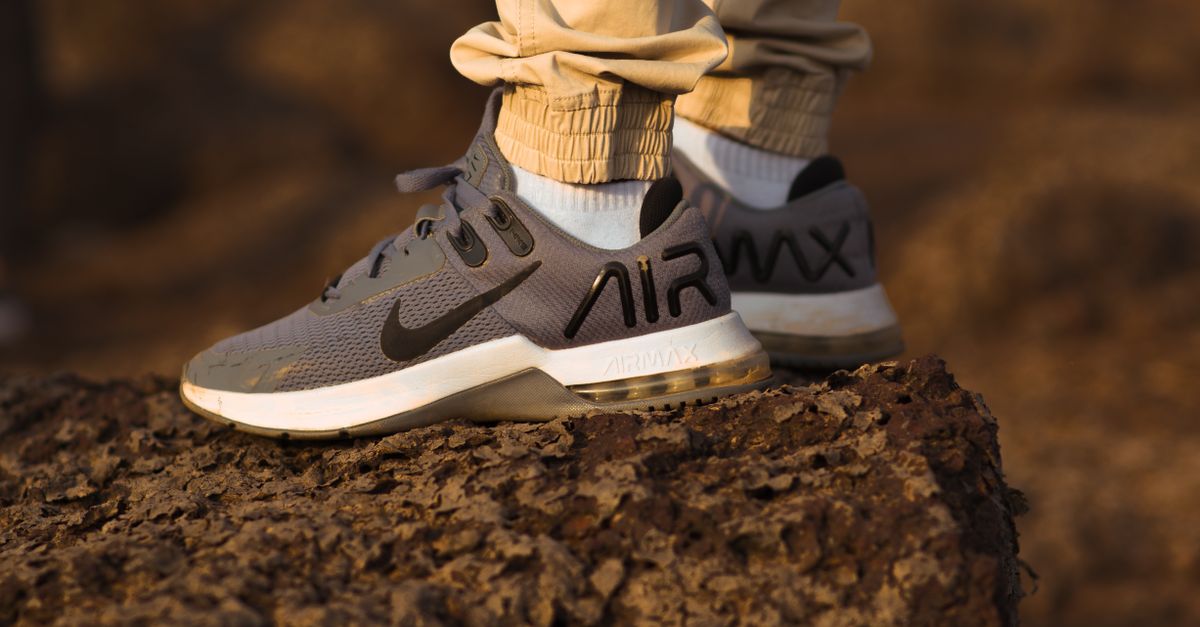
The birth of visible air
In 1987, designer Tinker Hatfield drew inspiration from the Centre Pompidou in Paris. The building’s inside-out architecture, with its exposed pipes and structural elements, gave him an idea: what if a running shoe could reveal its technology?
The result was the Air Max 1, the first Nike shoe to feature a visible air unit in the midsole. The small window cut into the heel was more than an aesthetic choice — it was a statement of radical transparency in product design.
A design language that endures
The Air Max 1 established a visual vocabulary that Nike has built upon for nearly four decades. The visible air unit became a signature, spawning an entire Air Max lineage: the 90, 95, 97, and beyond.
What makes the original design remarkable is its restraint. The silhouette is clean, the proportions balanced, and the mudguard wraps naturally around the foot. Hatfield resisted the temptation to over-engineer the aesthetic.
From performance to culture
By the early 1990s, the Air Max 1 had crossed over from running tracks to city streets. In Amsterdam, London, and Tokyo, the shoe became a staple of streetwear culture. Collectors began hunting vintage pairs, and Nike responded with limited editions and collaborations.
The shoe’s cultural status has only grown. Today, the Air Max 1 sits alongside the Air Jordan 1 and the Dunk as one of Nike’s most recognizable silhouettes — a testament to the enduring power of design clarity.