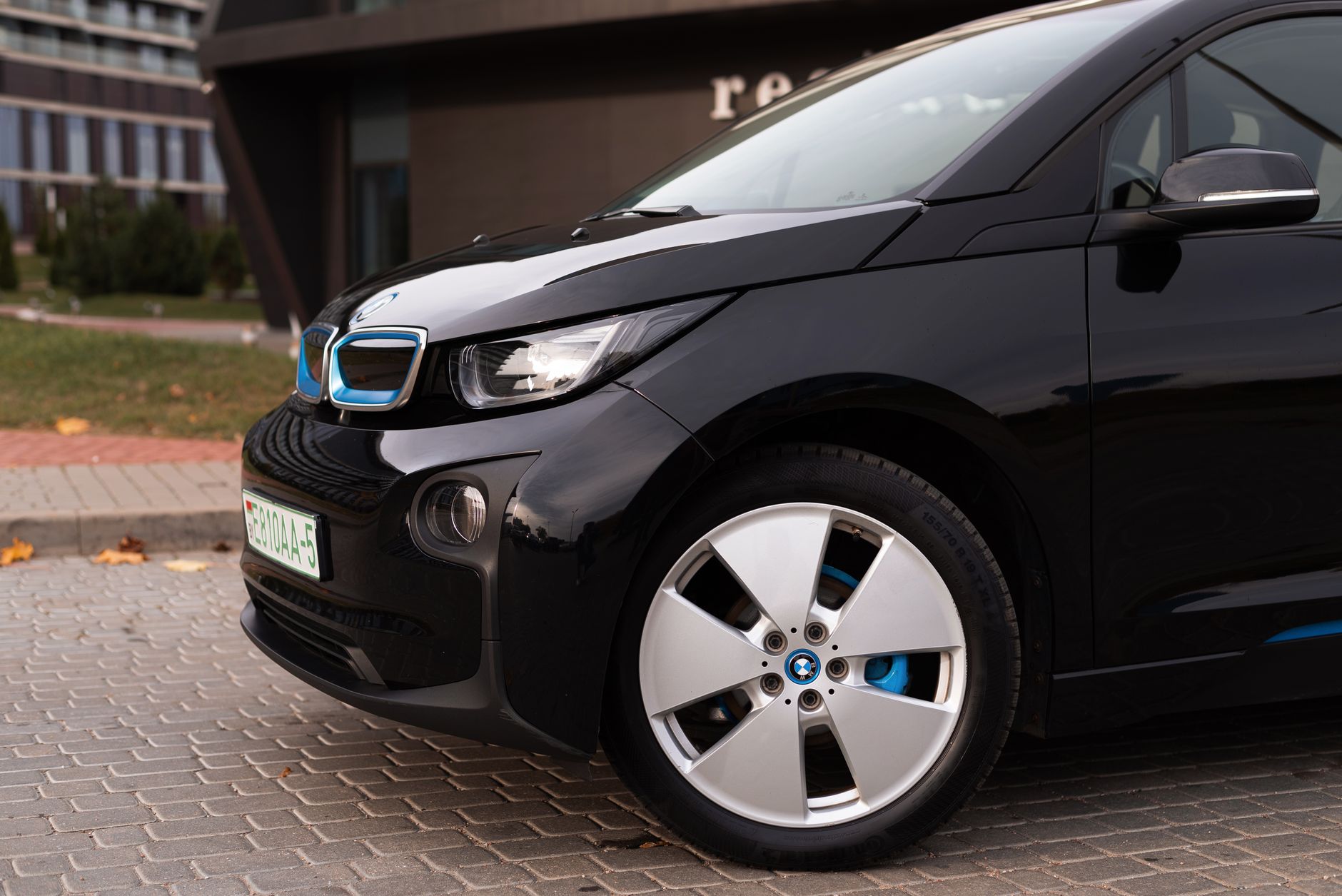
BMW has integrated its vehicle configurator directly into ChatGPT. Users can now interact with the BMW configurator in natural language — asking for a hybrid SUV with a panoramic roof and a specific interior, getting suggestions, refining choices, and exploring options — all without leaving the ChatGPT interface.
On the surface, this is a product integration story. Underneath, it’s a distribution strategy decision that tells you something important about where BMW thinks customers are going to be found in the next few years.
The configurator is a transaction step, not just a tool
The car configurator occupies a specific and critical place in the premium automotive purchase journey. At BMW, Audi, Mercedes — customers don’t just pick a model. They build a car. Body color, interior materials, powertrain options, technology packages. This process can take hours on a traditional web configurator, and that time matters: the more a customer configures, the more they invest psychologically in the product they’re building.
Placing that process inside ChatGPT doesn’t just make it more convenient. It makes BMW present at the exact moment when a potential buyer is already in research mode, asking questions, comparing options. The friction of “open a new tab and go to BMW.com” disappears. The configurator is right there, in the interface the user is already in.
ChatGPT as a distribution channel
What’s genuinely notable about this move is the framing BMW is implicitly accepting: ChatGPT isn’t just an information layer, it’s a distribution channel. A configurator is a transactional tool — someone using it is moving toward a purchase. By putting that tool in ChatGPT, BMW is treating the AI assistant as a place where buying decisions happen, not just where information is gathered.
That’s a significant conceptual shift in how a legacy premium brand thinks about its customer acquisition funnel. And it’s a bet that will likely prove correct: as AI assistants become the first stop for complex research, the brands that have formal integration partnerships will have structural advantages over those that don’t.
Who moves next
BMW is one of the first major automakers to go this far in integrating with a commercial LLM. Others will follow — the question is when. For automakers who wait: the risk is that ChatGPT, Perplexity, and Google Gemini start orienting recommendations toward the brands that have already built the integration. First-mover advantage in this kind of distribution context isn’t permanent, but it’s real.