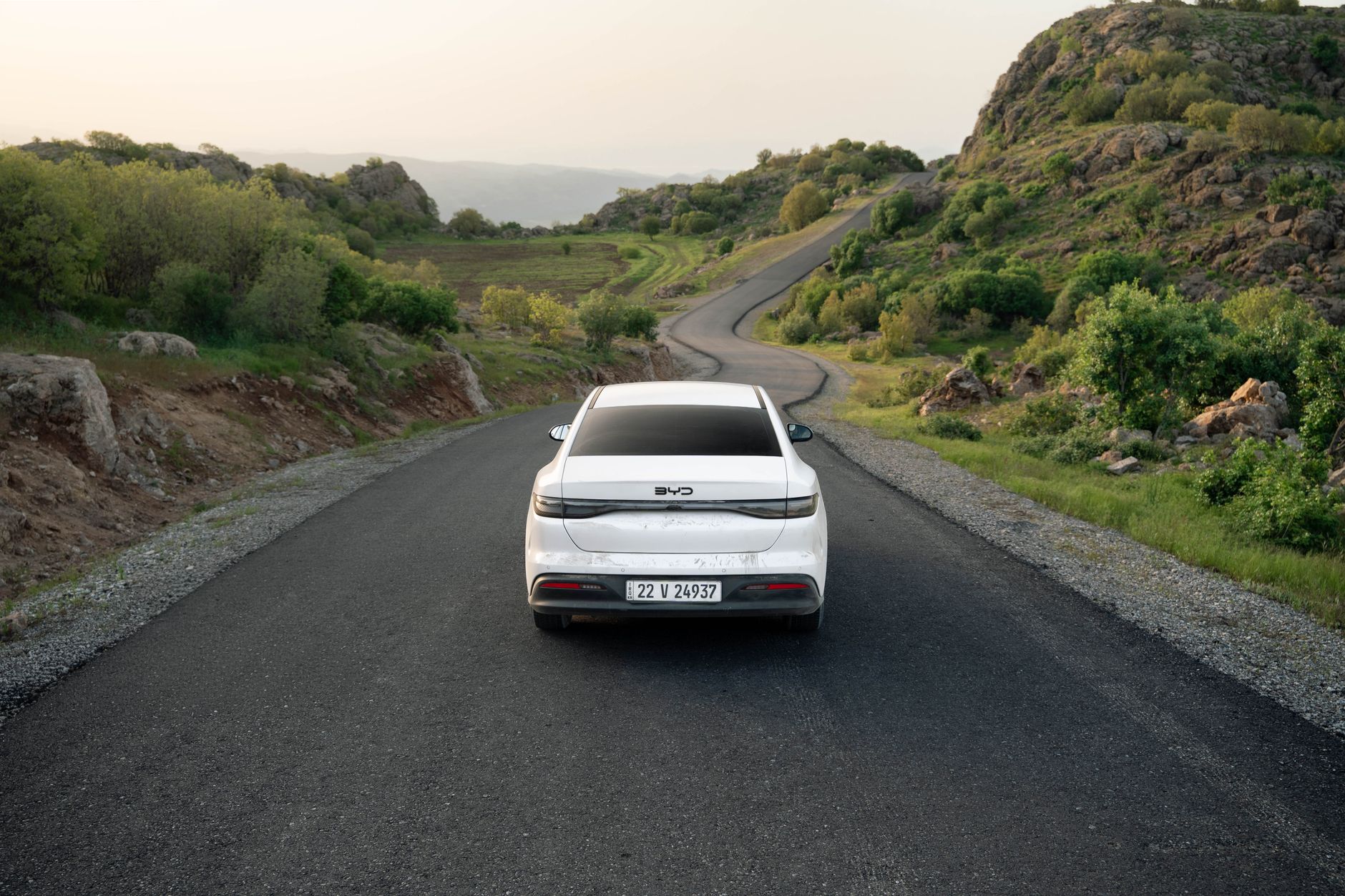
Ten years ago, a question about whether a Chinese automaker might acquire Volkswagen would have been dismissed as fantasy. It would have been fantasy — Volkswagen was the world’s largest automaker by volume, a German industrial icon, and Chinese automakers were building affordable domestic vehicles without global ambitions. Something has changed.
The Economist’s Argument
A German academic economist has published an analysis suggesting that BYD — China’s dominant electric vehicle manufacturer — has reached the financial scale, brand recognition, and technological capability that would theoretically make a Volkswagen acquisition possible. The numbers being discussed: BYD’s market capitalization and revenue trajectory create a scenario where it could finance such a transaction.
The economic argument is theoretical. The political, regulatory, and practical obstacles to a Chinese company acquiring a German industrial institution of Volkswagen’s stature are substantial and probably prohibitive in the near term.
Why the Conversation Is Happening at All
Volkswagen has had a difficult few years. The transition to electric vehicles has been more complex than management anticipated. VW’s EV offerings have struggled against both Tesla’s product advantage and the cost competitiveness of Chinese EV manufacturers. The brand has had to close factories and restructure — genuinely painful decisions for a company deeply embedded in German industrial culture.
BYD, meanwhile, has become profitable at scale, is expanding aggressively in Europe, and has built a vertically integrated supply chain that gives it cost advantages European manufacturers can’t easily replicate.
What This Actually Signals
The specific scenario — BYD buying Volkswagen — is speculative and probably not the right frame. But the underlying dynamic it represents is real: Chinese automakers have gone from learning from Western manufacturers to competing with them at a global level, and in some dimensions (battery technology, cost efficiency, software integration) to leading.
That’s a fundamental shift. The fact that a serious economist is writing about it in a mainstream context reflects a change in how the European automotive establishment thinks about its competitive position — and that shift has implications far beyond one theoretical M&A scenario.