The dominant narrative of the EV transition plays out between Europe, China, and the United States. That’s a focal error. The markets that will drive the largest volumes of vehicles over the next two decades aren’t those three.
India, Indonesia, Vietnam, Nigeria, Brazil — these are the markets that define what an accessible, fit-for-context electric vehicle actually needs to be.
A different price constraint
In Europe, an entry-level EV runs around €25,000–30,000. In India, an affordable family vehicle lands below $15,000. This isn’t a positioning challenge — it’s a market reality that requires a fundamentally different product architecture.
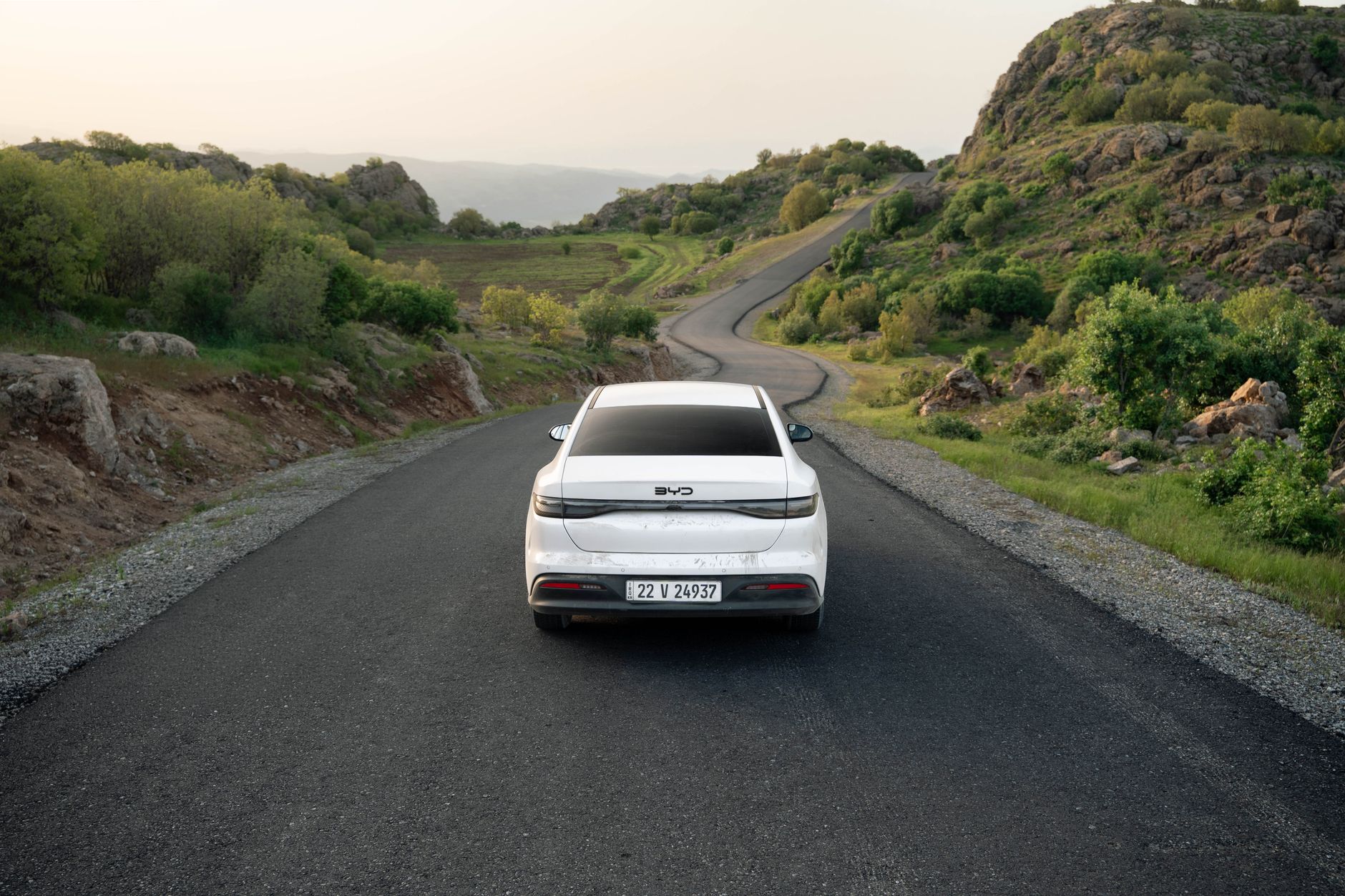
BYD understood this with the Seagull (marketed under other names in different markets): an electric vehicle under $10,000 in China, with an internationalized version still under $20,000 after local standard adaptation. The business model isn’t diluted premium — it’s full-stack cost engineering from the design stage.
Toyota is playing a different card: non-plug-in hybrids, whose entry cost is lower than full EVs, are particularly suited to markets where charging infrastructure is nearly nonexistent. In parts of Southeast Asia, Toyota dominates precisely because its offer is pragmatic rather than ideological.
Infrastructure as the systemic blocker
The EV challenge in emerging markets often isn’t the vehicle — it’s charging. Unstable electricity grids, near-zero public charging density, housing where home charging is impractical.
Alternative solutions are emerging: swappable batteries (exchangeable in minutes at dedicated stations) are being tested in India and Southeast Asia by local players and startups. It’s a different model from the Western standard, but potentially better-fitted to these contexts.
The local player as the key variable
The EV map in emerging markets doesn’t look like Europe’s. BYD is present, but so are Indian players (Tata Motors, Ola Electric), Indonesian brands (Wuling, locally assembled), and Vietnamese manufacturers (VinFast).
These brands hold an advantage that BYD and Toyota don’t: local usage understanding, existing distribution networks, and sometimes government support favoring national manufacturers.
What this says about the global transition
The electric transition will not be uniform. It will take different shapes depending on the market — hybrids where charging is complicated, small EVs where price is decisive, battery swap where conventional infrastructure is absent.
The manufacturers who understand this don’t offer the same vehicle everywhere. They build a market-differentiated range with different technical tradeoffs. That’s complex. But it’s the only coherent strategy at a global scale.