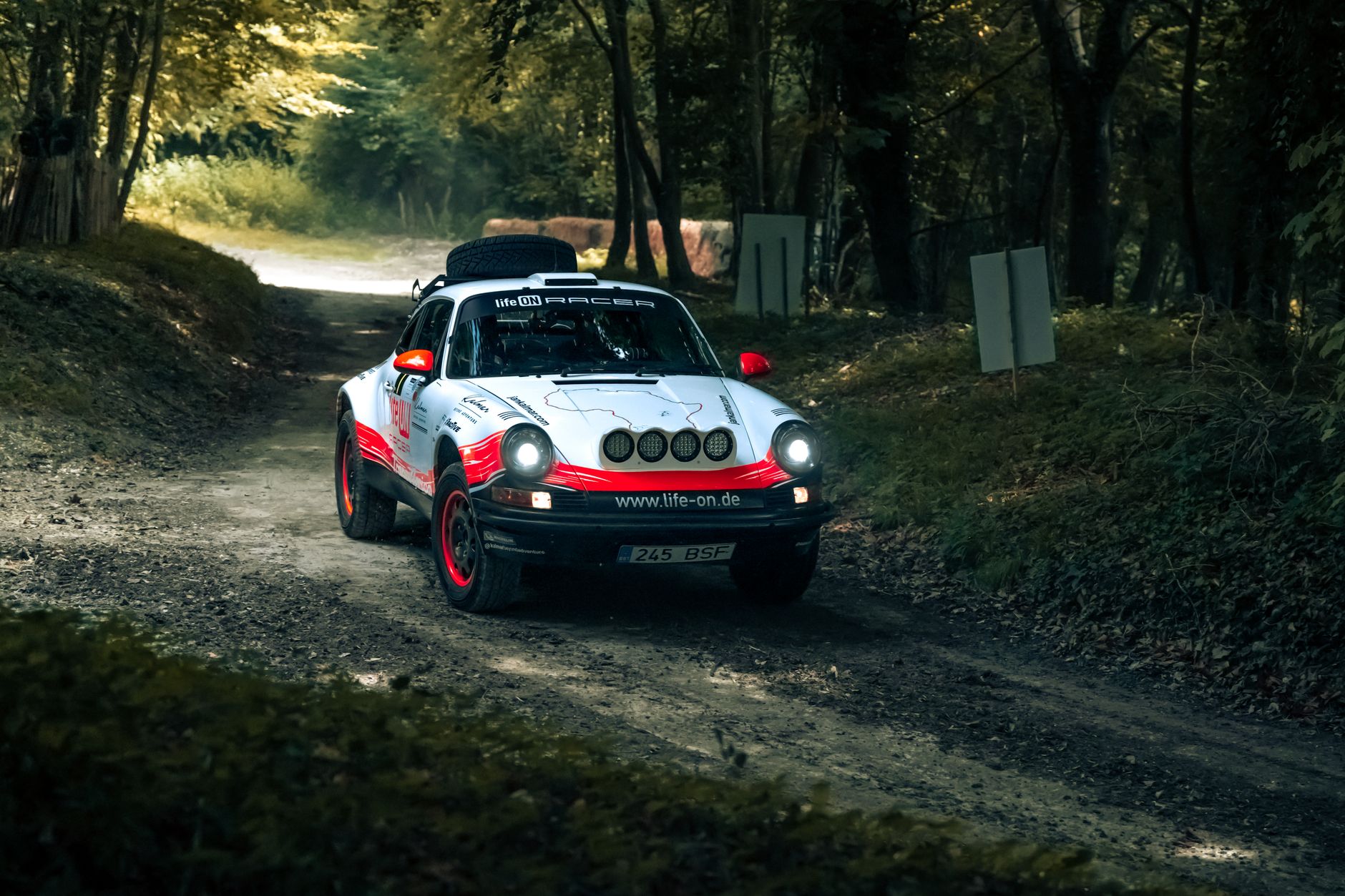
There’s something unusual about how Porsche manages its motorsport image. The brand is one of the most decorated in competitive racing — 24 Le Mans victories, a Formula E history, presence across nearly every relevant category — but it doesn’t try to make any of that the center of its mass-market communication.
The track is a laboratory. What it produces goes somewhere else.
The endurance strategy
Porsche’s return to Le Mans in LMDh (the new top-level hybrid category) with the 963 in 2023 was not a nostalgic gesture. It was a technical decision: the LMDh regulations share a common platform between IMSA (North American championships) and WEC (World Endurance Championship), which maximizes development investment efficiency across both series.
The message embedded in that choice: Porsche is developing high-performance hybrid solutions in an extreme competition environment. What engineering learns on track feeds, at minimum in narrative terms, into road-going hybrid models.
This is technological communication dressed as sport.
Formula E: the honest exit
Porsche’s Formula E program (2019–2023) ended early. The brand framed its departure around resource concentration — particularly toward LMDh and road cars. It’s a strategically clean exit: Porsche didn’t publicly cite disappointing sporting results as a reason, but the Formula E record was difficult to leverage as brand capital.
What remains: Porsche learned, and left. Formula E stays a useful experimentation ground for other manufacturers who see it as a lower-cost marketing platform.
Customer racing as retention
The Porsche Carrera Cup, Porsche Supercup, GT3 Customer Racing programs — these are at the center of what Porsche does best in motorsport: involving customers directly in competition.
An affluent enthusiast can buy a 911 GT3 Cup, participate in supervised races, progress through categories, and live an experience almost no other premium brand structures this comprehensively. This is active loyalty, not passive. And it’s economically intelligent: Porsche sells race cars, parts, training, and experiences — a revenue stream alongside the road car business.
What the track does to the price tag
There’s a less visible but real link between Porsche’s motorsport presence and its pricing positioning. The 911 GT3 RS, the Carrera GT, the 918 Spyder — these are technological artifacts directly derived from competition.
Even for someone who will never watch a race, the track heritage credentializes the premium. A manufacturer that wins Le Mans can justify prices that would, otherwise, require more explanation.
The track is, at bottom, the best commercial argument Porsche has found.