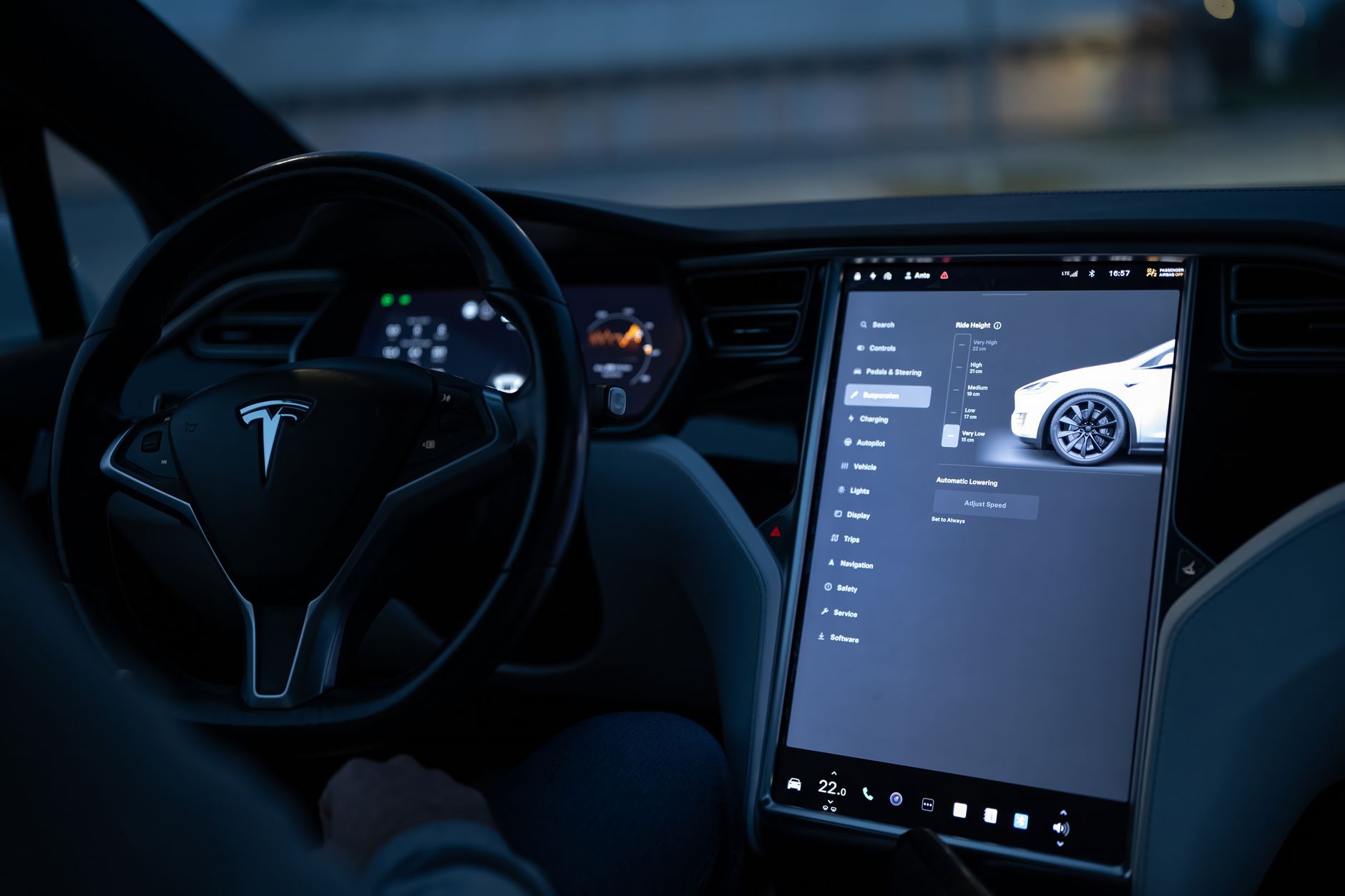
Tesla is rolling out a comprehensive redesign of its Model Y with the Juniper refresh—a significant product update combining revised exterior architecture, reimagined interior, and expanded onboard technology. This marks the first major overhaul of the Model Y since its commercial launch, underscoring the strategic importance of the transition for the manufacturer.
Exterior and Interior Redesign
The Model Y Juniper introduces substantial aesthetic refinement. The exterior features a reshaped silhouette, updated lighting signatures, and revised surface treatments designed to strengthen visual coherence across Tesla’s lineup. The interior undergoes a thorough rethink: dashboard design, seating ergonomics, trim materials, and spatial flow all receive focused attention. The addition of a rear-seat display marks a key strategic move—it enriches passenger experience and differentiates the vehicle in an increasingly crowded compact SUV segment.
These changes follow standard product-cycle logic: bolster commercial appeal without waiting for an entirely new generation. For Tesla, the timing coincides with the Model Y remaining the world’s best-selling electric vehicle while competitive pressure intensifies across compact EV SUVs.
Range and Efficiency Gains
The refresh brings claimed improvements in driving range, though Tesla has not disclosed precise technical pathways. These gains likely stem from a combination of three factors: reduced aerodynamic drag through revised exterior design, optimization of mechanical and thermal systems, or incremental battery cell density improvements. No major capacity increase is reported, suggesting Tesla prioritizes energy efficiency at constant battery volume—a more cost-effective approach than adding cells.
Given compressed battery pricing and squeezed margins across the industry, this efficiency-focused strategy is pragmatic. Consumers benefit: higher real-world range, lower cost premium for extended-range variants.
Manufacturing Footprint: Shanghai and Berlin Lead
Model Y Juniper production is already underway at two critical facilities: Shanghai’s Gigafactory (China) and Berlin’s Gigafactory (Germany). This geographic choice reflects Tesla’s current manufacturing hierarchy. Shanghai remains the group’s highest-output plant, building Model Y and Model 3 at volume scale, serving Asia-Pacific demand, and feeding exports to other regions. Berlin supplies the European market and serves as Tesla’s testbed for advanced manufacturing processes.
Simultaneous production at both sites signals confidence in manufacturing readiness—no staggered ramp-up, but coordinated launch. This cadence suggests Tesla judges the design and production modifications mature enough for immediate mass manufacturing.
Competitive Context
The Model Y Juniper arrives amid intensifying competition from Volkswagen (ID.4), BMW (iX), Mercedes (EQE SUV), BYD (Yuan Plus), and Geely (Geometry) in the compact EV SUV space. The refresh represents a signal of strategic vitality: maintaining product appeal against a growing international offensive.
The rear-display addition also reinforces premium-technology perception—a critical factor in accessible luxury positioning. Once exclusive to high-end segments, rear displays are progressively democratizing across mainstream manufacturers.
Supply Chain Implications
Deployment across Shanghai and Berlin creates complex transition logistics: managing old and new generation sourcing at suppliers, recalibrating assembly-line tooling, coordinating logistics. For Tesla’s supplier ecosystem—wiring harnesses, interiors, optics—this transition requires substantial capacity and tooling adjustments, costs typically absorbed by subsuppliers, potentially compressing sector margins.
Pricing and Market Positioning
Tesla has not announced changes to Model Y pricing as part of the refresh. The question remains open: will these enhancements—rear display, revised interior, range gains—trigger price increases, or will Tesla absorb them to strengthen competitiveness as rivals sharpen their offerings? Historically, Tesla has applied measured price adjustments with major refreshes.
The Model Y Juniper represents an important inflection for Tesla: consolidation of a dominant product through modernization rather than revolution. This trajectory suggests a manufacturer stabilized in production, capable of managing substantive changes without supply-chain disruption. The refresh balances investment in a proven winner with measured, efficient execution—hallmarks of confident product stewardship.