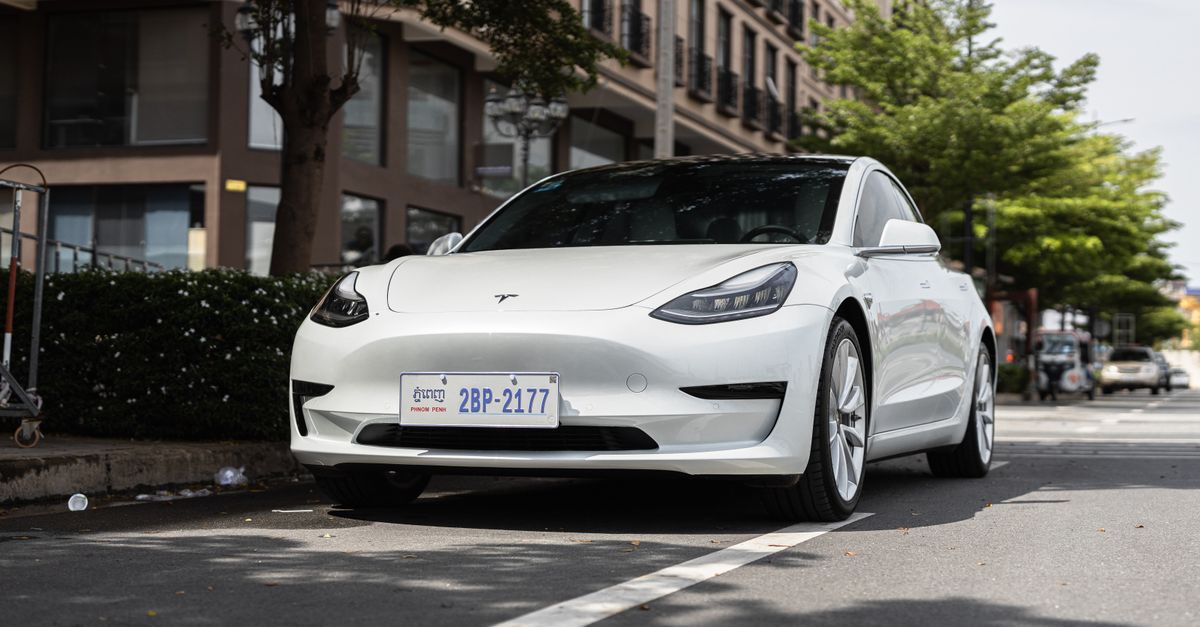
The National Highway Traffic Safety Administration has denied Tesla’s petition to avoid issuing a recall for a headlight defect. The decision, reported by Reuters on July 16, 2026, is procedurally routine but contextually notable: it lands as Tesla is simultaneously managing the NTSB investigation into its Texas FSD crash, the Miami robotaxi launch under close regulatory scrutiny, and ongoing market pressure on vehicle deliveries.
What the Petition Process Involves
When a regulator identifies a safety defect that warrants a recall, manufacturers can file a petition arguing why a recall isn’t necessary — either because the defect doesn’t present the risk the regulator believes it does, or because an alternative remedy exists. Tesla filed one here. NHTSA reviewed it and rejected it.
This isn’t unusual. Automakers file recall avoidance petitions regularly, and regulators deny them regularly. The difference is that Tesla’s situation in mid-2026 means each individual regulatory decision gets read in the context of a larger pattern.
Headlights as a Safety Category
Headlight-related defects occupy a specific category in NHTSA’s risk framework. They directly affect visibility — the driver’s ability to see the road ahead and the visibility of the vehicle to other road users. Regulators treat them seriously because the failure mode (reduced illumination at night or in poor visibility conditions) translates directly into accident risk.
Whatever the specific technical character of this defect, NHTSA concluded it was significant enough to require a recall rather than accept Tesla’s proposed alternative.
The Cumulative Regulatory Picture
Tesla’s regulatory situation in 2026 reads like a stress test for the company’s approach to compliance. The NTSB investigation into the Texas FSD incident found that the driver had the accelerator at 100% before the fatal crash — a finding that complicated Tesla’s FSD narrative even if it didn’t directly implicate the technology as the primary cause. The Miami robotaxi deployment is proceeding under careful oversight. And now a recall petition has been denied.
None of these individually threatens the company’s viability. Tesla delivered 480,000+ vehicles in Q2 2026 and remains the dominant electric vehicle brand in most markets. But the friction adds up — in operational cost, in management attention, and in the cumulative signal it sends about the gap between Tesla’s innovation velocity and its regulatory comfort level.
What Happens Next
Tesla will proceed with the recall. That’s the operational reality after a petition denial. The company will notify affected owners, arrange service, and absorb the cost.
The more interesting question is whether Tesla adjusts its approach to product development validation in ways that reduce future recall frequency. The answer isn’t obvious. Tesla has always operated with a “deploy fast, update over the air, recall if needed” philosophy that differs from traditional automotive compliance culture — and that philosophy is partly responsible for its pace of innovation. Changing it has costs too.
The headlight recall is a footnote in Tesla’s 2026 story. The pattern it’s part of is not.