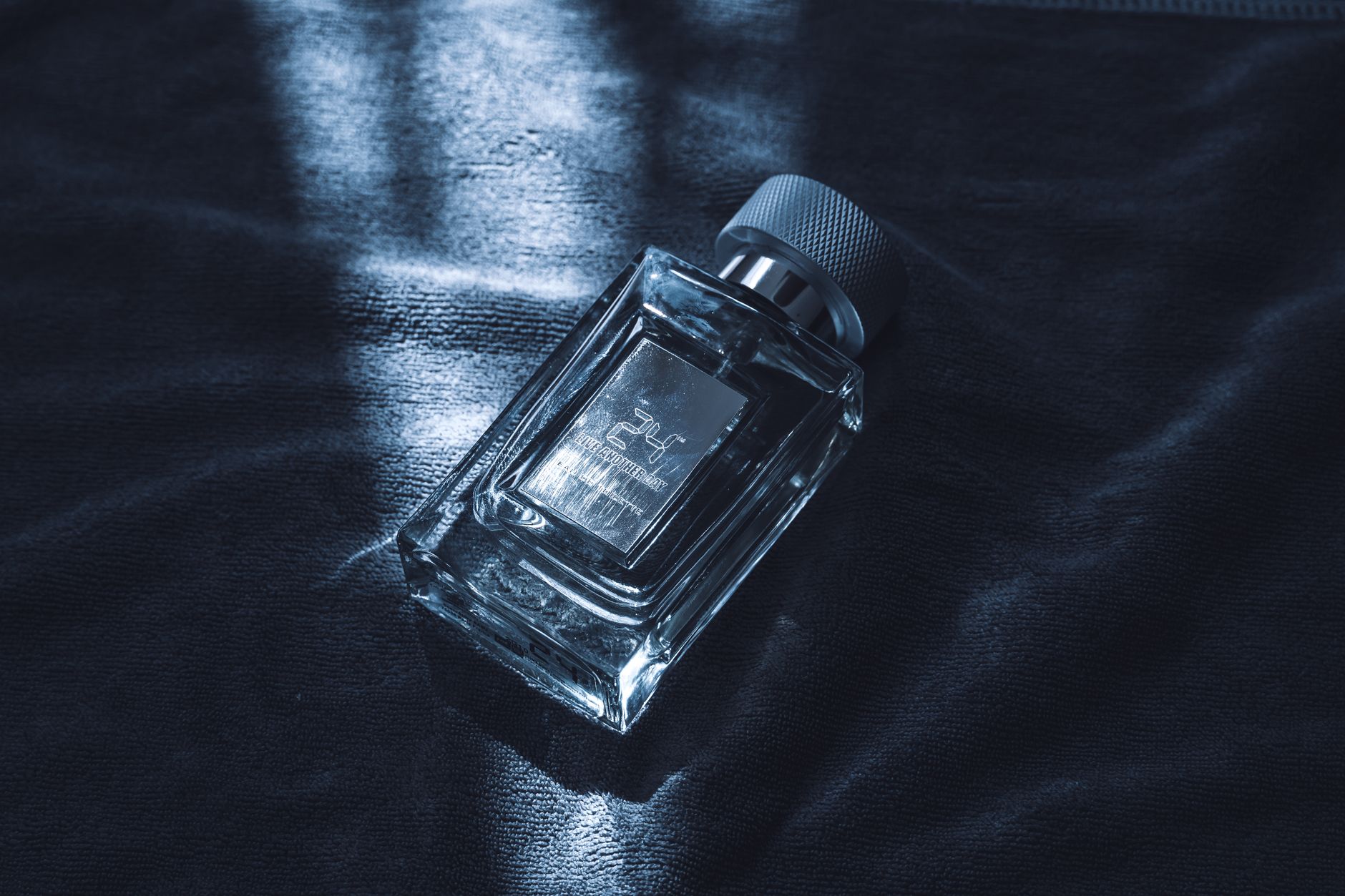
There’s a paradox at the center of niche fragrance’s success. These brands built their identity on exclusivity, discretion, and not being for everyone. Now that everyone knows them — what happens?
The answer is less obvious than “they lose their soul.”
What changed
Niche fragrance exploded in visibility around 2018–2020, driven by several simultaneous factors. Beauty creators on YouTube and TikTok popularized the “decant” format — small volumes for testing expensive perfumes. Olfactory reviews became a genre in their own right. And marketplaces like Fragrantica built a community of enthusiasts who compare, debate, and recommend obsessively.
The result: brands like Byredo, Maison Margiela (Replica line), Le Labo, and Diptyque shifted from confidential circuits to Sephora shelves, Nordstrom counters, and airport duty-free.
That mass distribution is a double-edged sword.
The volume equation
For niche brands that have accepted investors or sold to groups — L’Oréal acquired Aesop, Mugler sits within Clarins via Puig, Byredo has ELC at the cap table — volume growth is a financial necessity.
L’Oréal can do what it does best: distribution, production, supply chain management — theoretically without touching formulations. In practice, margin pressure eventually reaches something. Sometimes raw materials. Sometimes concentrations.
An independent niche perfumer can maintain concentrations of rare raw materials that make their compositions unreplicable. A group answering to shareholders calculates differently.
What the consumer actually wants
The consumer discovering niche fragrance is seeking several things — not all compatible.
They want a perfume nobody else is wearing. (Failed, if everyone in the open-plan office has Byredo Mojave Ghost.) They want a narrative — a founder story, a geographic anchor, a composition philosophy. They want perceptible quality — a texture, a longevity, a projection that feels different.
The second and third survive democratization better than the first. A fragrance can be excellent and mainstream simultaneously.
The rise of the sub-niche
The natural response to niche becoming mainstream: the sub-niche. Even more confidential brands, limited editions, independent perfumers selling directly to subscribers.
Parfums de Nicolaï, Stora Skuggan, Rania J., Filippo Sorcinelli — names nobody outside the circle has heard of, and that’s precisely the point.
There’s always a quieter, more demanding, harder-to-access stratum. The segment continuously reconstitutes itself, moving toward higher prices and smaller volumes each time a previous niche is absorbed by the mainstream.
The cultural shift in fragrance
Fragrance has become a stronger cultural marker than it was. Conversations about “signature scents,” olfactory memory, the relationship between perfume and personal identity — they existed in tight circles and are now spreading broadly.
This cultural shift is more durable than the niche trend. It means the fragrance consumer is willing to invest — in exploration time and in money — in ways that previous generations didn’t.
That’s the real market the houses are competing for.