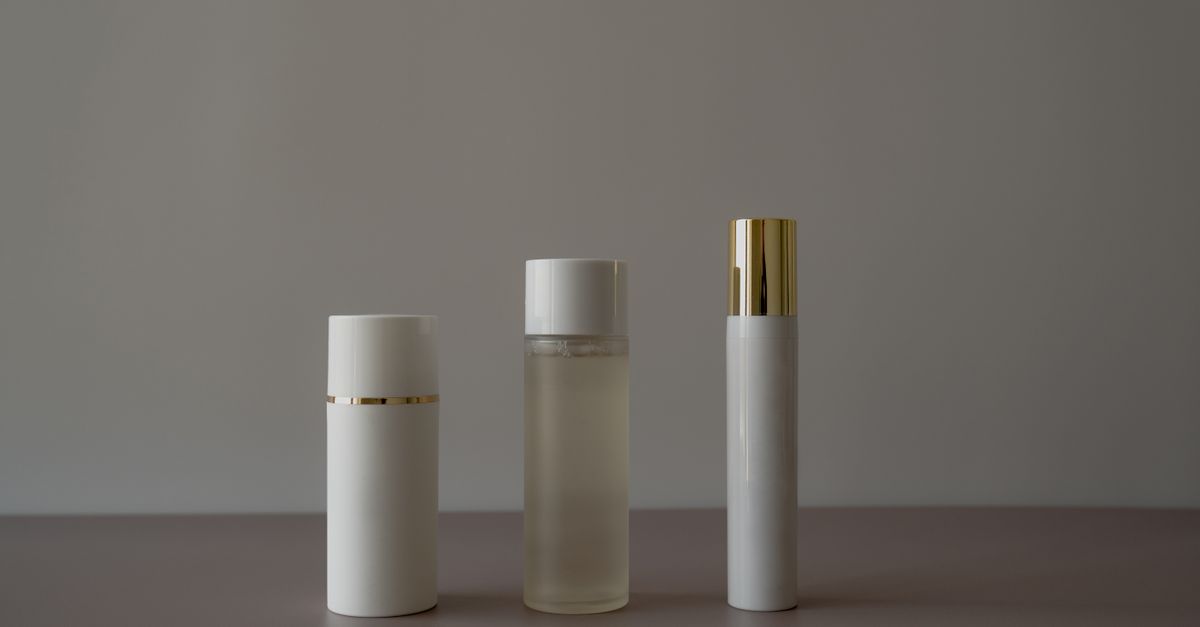
A $180 Billion Market Splits into Competing Rituals
The global skincare market exceeds $180 billion, yet that scale masks a profound fragmentation. The era of a single dominant routine—cleanse, moisturise, sunscreen—has fractured into overlapping paradigms: minimalism, structured multi-step protocols, and specialised treatments. Brands now inhabit multiple ecosystems simultaneously, each with distinct language, product architecture, and claims.
This fracturing is not failure; it is the market’s response to information asymmetry. Consumers with access to skincare education—whether from dermatologists, forums, or social platforms—make choices based on explicit logic. Those with less access default to simplicity or defer to brand authority. Sophisticated players must serve both, without suggesting one is correct and the other insufficient.
Business of Fashion and academic institutions tracking cosmetic markets document this shift across geographies: North America leans toward efficiency; Western Europe fragments across national preferences; Asia-Pacific sustains multi-step culture; Middle East and Africa show rapid adoption of combination approaches. The industry measures this not as trend drift but as product category expansion—each step in a routine becomes its own market segment.
The Asian Framework: Logic, Not Mystique
Korean and Japanese skincare culture introduced Western markets to a deceptively simple idea: sequencing matters. Each step serves a purpose, and order affects efficacy.
This is not mysticism. It is pharmacological grammar: a toner prepares the skin’s pH; a hydrating essence or serum delivers water-soluble actives; an oil or cream seals moisture and fat-soluble treatments. The framework is sound enough that Western dermatology has integrated it into clinical recommendations.
What changed is visibility. Asian brands exported both products and the conceptual framework, and Western audiences began recognising structure where they’d previously seen only “layering.” A consumer who formerly bought a three-in-one lotion now reads “serum + cream” as two distinct tasks.
Niacinamide exemplifies this shift. The compound—vitamin B3—has existed in skincare formulations for decades. By 2024-2026, it became a category staple. Why? Because niacinamide tolerates multiple actives, does not destabilise at common pH values, and delivers mild regulatory benefits (balancing oily/dry zones, supporting barrier function). R&D teams positioned it as a bridge ingredient: the step that prepares skin to absorb and tolerate retinol, vitamin C, or acids that follow.
Niacinamide’s rise reflects the broader story: the industry upgraded its language from “moisturiser” (vague, passive) to “humectant-occlusive balancer” (specific, active, purposeful). Products that sound purposeful attract engaged consumers and justify portfolio expansion.
Retinol and Daily SPF: The Non-Negotiable Pair
Across all routine typologies, two elements command near-universal approval: retinoid derivatives and daily photoprotection.
Retinoids (retinol, retinyl palmitate, retinaldehyde, retinoic acid) stimulate cell turnover. Decades of clinical data support mild-to-moderate improvements in fine lines, texture, and hyperpigmentation. The efficacy is real but gradual; consumer satisfaction depends on managed expectations. Brands now segment retinoid options by potency: ultra-gentle (0.25% retinol ester) for sensitive or novice users, intermediate concentrations for regular users, and prescription-strength formulations (retinoids proper) for clinical settings.
Daily SPF 30+ crossed a tipping point between 2023 and 2026: it transitioned from seasonal to habitual. Dermatological guidelines have long recommended year-round photoprotection; cultural adoption followed slower. Now, daily SPF appears in routine breakdowns for temperate and tropical climates alike, and increasingly across skin-tone recommendations—a crucial shift, as photoprotection was historically marketed to lighter skin tones, despite UV risk affecting all populations.
This normalisation created pressure on formulation. A sunscreen consumed daily must feel pleasant, not occlusive or chalky. Hybrid products emerged: tinted SPF creams, serums with integrated UVA/UVB filters, moisturisers offering light protection. The language shifted from “sunscreen” (reactive, summer) to “daily photoprotection” (integrated, preventive).
Three Competing Routine Architectures
1. Essential Routine (3–4 Steps)
Cleanser → Hydrating serum or essence → Optional active treatment (niacinamide, gentle acid) → Day cream with SPF. This model appeals to time-constrained users, beginners, and brand strategies prioritising accessibility. Messaging emphasises clarity: “These four do the job. Everything else is optional.”
2. Balanced Routine (5–7 Steps)
Dual cleanse (oil-based, then water-based) → Toner or essence → Hydrating serum → Active treatment (niacinamide, light retinoid, vitamin C) → Day or night cream. This architecture dominates South Korea, Japan, and increasingly mainland China. Growth is visible in France, Germany, and Canada. The routine acknowledges different skin zones and times of day.
3. Comprehensive Routine (8+ Steps)
For highly engaged users: dual cleanse, multiple essences or toners, hydrating serum, treatment actives (separate serums for different concerns), morning and night creams, occasional masks, sun protection. Minority adoption but high social-media visibility. Requires time, product investment, and fine-tuning to avoid over-formulation.
No single routine is universally “best.” Each reflects trade-offs between efficacy, ritual satisfaction, and practicality. Brands win by acknowledging all three, without implying that minimalism is laziness or multi-step is excess.
Active Ingredients Beyond the Core Pair
Niacinamide and retinol dominate, but supporting actives have matured into reliable portfolio tools:
- Chemical exfoliants (AHA, BHA): gentle texture refinement at 2–10% concentrations.
- Ceramides and polysaccharides: barrier-strengthening, humectant function.
- Botanical extracts (chamomile, calendula, aloe): mild anti-inflammatory and soothing.
- Peptides: modest collagen-stimulation claims, supported by mechanical research but not dramatic clinical outcomes.
Differentiation no longer hinges on exclusive ingredients. Raw materials are commoditised; formulation quality, stability, sensorial experience, and communicative clarity separate market leaders from followers.
The Brand Responsibility: Clarity Over Mystification
The skincare industry faces an editorial crisis: consumers seeking information encounter either technical jargon or marketing fluff. Progressive brands are inverting this by:
- Offering graduated, non-mandatory protocols. Routines explicitly note which steps are foundational and which are enhancement.
- Stating ingredient roles plainly. “Niacinamide balances sebum production and hydration. Retinol increases cell turnover; expect adjustment period of 2–4 weeks.”
- Flagging incompatibilities. “Do not combine retinol and vitamin C in one application. Separate them: one in AM, one in PM, or use on alternate days.”
- Resisting FOMO narratives. “Four targeted products beat ten generalist products.”
Brands practising this approach build durable loyalty not from miraculous claims but from earned trust: over time, consumers learn that the brand’s information is accurate, actionable, and in their interest rather than the brand’s.
Conclusion
Skincare routines in 2026 reflect market maturity. The age of a single dominant paradigm or product has ended. In its place: informed consumers navigating trade-offs between efficiency and ritual, minimalism and specialisation, global standards and regional preference.
For brands, this demands intellectual honesty. The routine that works at scale is the one that works for the person using it—not for the brand’s inventory, margin expectations, or advertising message.
The question shifted from “What should I buy?” to “What sequence aligns with my skin, my time, and my realistic expectations?”
The industry that answers this well earns audience. The industry that resists it risks fragmentation into niche and trust-based communities it cannot control.