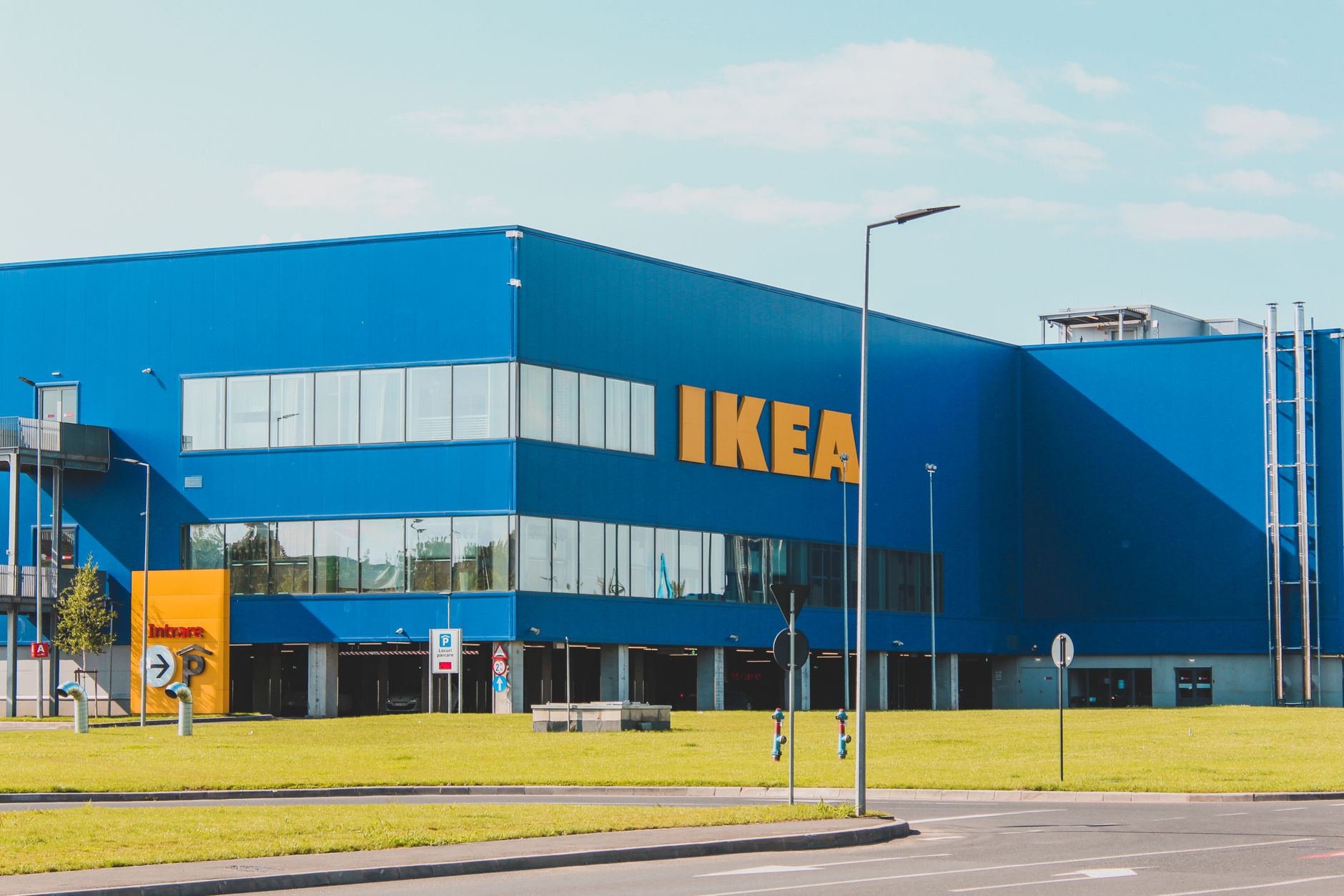
IKEA has long enjoyed a reputation as a reasonable employer in European retail. The ongoing labor conflicts in Germany and Hungary complicate that picture.
Germany: 8,000 Workers, 31 Stores, a 5-Point Gap
Verdi, the German service and commerce union, has called a strike across 31 IKEA stores in Germany. Over 8,000 workers are involved. The demands: a 7% wage increase, plus a minimum €225/month. Management’s response: 2% from November 2026 and an additional 1.5% from August 2027, locked in a two-year agreement.
The gap between the two positions is significant — not just in monetary terms, but in underlying logic. Verdi is demanding immediate, substantial compensation to offset the real inflation of recent years. IKEA is offering a phased increase that keeps real purchasing power below pre-inflation levels throughout the agreement period.
Hungary: Negotiations Broke Down, Strike Followed July 9
In Hungary, wage negotiations collapsed, leading to a strike on July 9, 2026. The context differs slightly: Hungary has experienced above-average European inflation, and retail faces particular pressure from competing sectors with labor shortages bidding up wages.
The Awkward Paradox of a Profitable Company Cutting Elsewhere
What makes IKEA’s position publicly uncomfortable is the context: the group recently hit a net profit milestone, while simultaneously announcing 280 job eliminations in other entities. The combination — record profits, job cuts in some divisions, refusal of significant pay increases in others — is difficult to defend publicly.
IKEA isn’t in financial distress. The question raised by unions is about value distribution in a prosperous company, not job preservation in a struggling one. That framing changes the terms of the debate significantly.