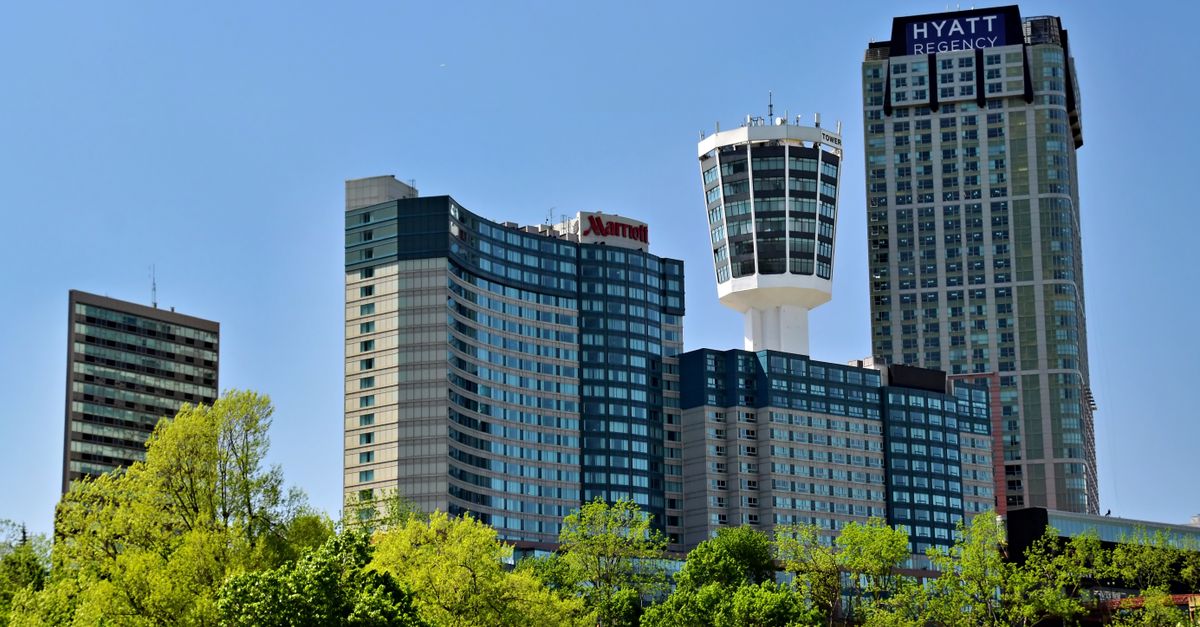
There’s an irony in the evolution of hotel loyalty programs. Created to reward loyalty and encourage return visits, they’ve become so complex, so subject to points devaluation and conditions complexity, that many members genuinely don’t know what they’re worth anymore.
The loyalty promise is being reconfigured.
What changed
The classic hotel loyalty program operated on simple logic: nights accumulated → status → benefits (upgrades, breakfast, late checkout). Legibility was its strength.
The shift toward spend-based programs (like Marriott Bonvoy since its redesign) changed the dynamics. A member who spends more — on more expensive hotels or longer stays — accumulates points and status faster than a frequent but budget-conscious traveler.
This logic reflects economic reality: a guest spending €5,000 on a luxury stay is worth more to the hotel than a consultant logging 200 nights at €80/night rooms. But it has eroded perceived status value for a portion of members.
Points inflation
The most documented phenomenon in loyalty programs over the past five years is points inflation. A flight or hotel night that cost X points in 2019 often costs 1.5X or 2X in 2026.
Programs don’t make points disappear magically — they silently adjust conversion tables. The real value of accumulated points shrinks without formal announcement, creating legitimate frustration among members.
Marriott Bonvoy faced particularly sharp criticism after merging IHG, Starwood Preferred Guest, and Marriott Rewards. Merger complexity created attribution bugs and status confusion that lasted years.
What members actually want
Research on hotel loyalty program members is consistent: what they value most isn’t points — it’s recognition.
Being greeted by name at check-in. Having their preferred room available. Late checkout granted without negotiation. A spontaneous upgrade. These gestures cost the hotel little and have strong emotional impact on the member.
Programs that most successfully drive loyalty, like World of Hyatt, tend to be those that have maintained high personal service — real benefits, automatically granted, not negotiated case by case.
The platform competition
A structural threat to hotel loyalty programs: booking platforms (Booking.com, Expedia) offer their own multi-brand loyalty programs. A traveler booking via Booking can accumulate benefits usable at any hotel in the catalog, without being tied to a chain.
Hotels’ counter-play: exclusive offers reserved for members who book directly — better rates, additional benefits. The message: direct booking rewards better than booking through a third-party platform.
The long-term value question
The real test of hotel loyalty is this: does the program create genuine preference at the moment of hotel selection, or is it simply a passive bonus on a decision that would have been the same anyway?
For a loyalty program to create preference, the perceived value must be strong enough that the member is willing to pay slightly more, or choose a slightly less convenient hotel, in exchange for points and benefits.
Few programs genuinely reach that threshold. Those that do have understood that loyalty is earned with memorable experiences, not point algorithms.