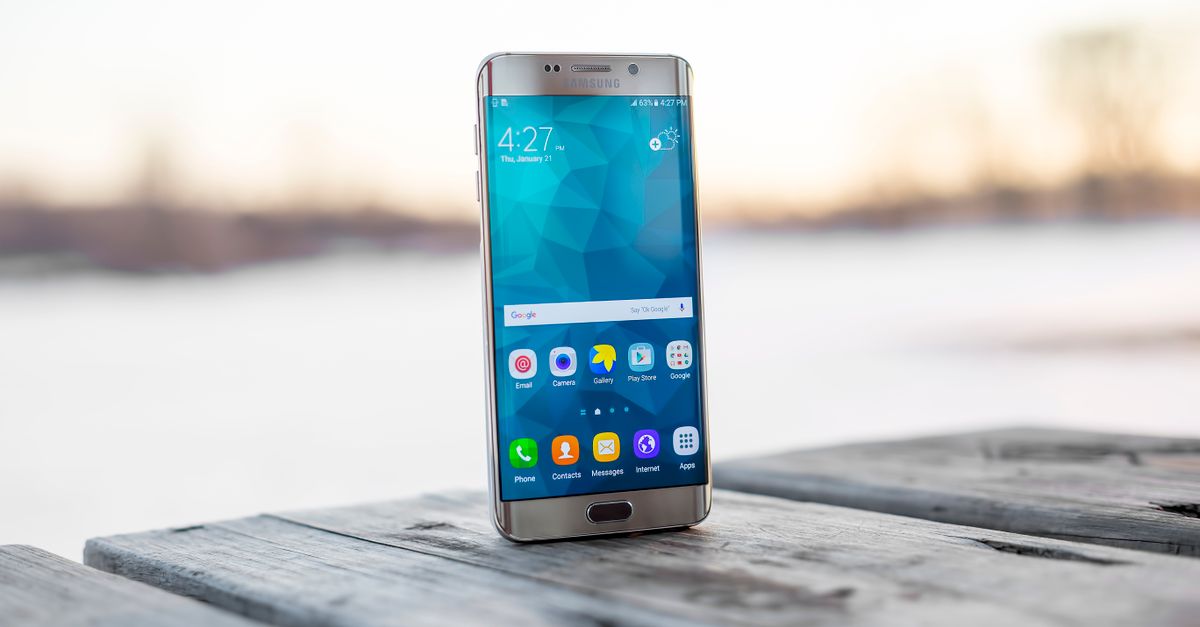
This isn’t a financial gadget. It’s a declaration of competition against Apple Card — and, more broadly, an attempt to transform the Galaxy ecosystem into a full-fledged financial services platform. Samsung has just launched its first credit card under the Galaxy name, a move that illustrates how far major hardware manufacturers are willing to go to capture value beyond the device itself.
Why a credit card is a strategic decision
For a smartphone maker, launching a credit card might seem off-topic. It’s exactly the opposite. The card is the most effective tool for anchoring a customer in an ecosystem: every transaction flows through the platform, every benefit builds loyalty, every cashback reward justifies preferential use of Samsung Pay over a competitor.
Apple understood this in 2019 with Apple Card, co-launched with Goldman Sachs. The product was never a financial revolution — rates and offerings are comparable to the market. The objective was elsewhere: deepen attachment to the iPhone through an integrated, frictionless, visually premium financial experience.
Samsung is following the same logic, with the same ambition of ecosystem convergence.
What the Galaxy Card means for users
The precise offer details — rates, cashback structure, banking partners — haven’t been fully disclosed yet. What’s clear: the card is designed to work in synergy with Samsung Pay, Galaxy phones, and potentially the broader Samsung connected product suite (smartwatches, connected appliances).
For a user in the Galaxy ecosystem, the card represents a centralization of financial and behavioral data within a single actor. That’s convenient. It’s also a concession of highly sensitive personal data worth noting.
The timing is calculated
Samsung is launching this card at a specific moment. Apple Card has gone through turbulence — Goldman Sachs, the original banking partner, exited the product in late 2024, forcing Apple to find a new partner. That’s a window of perceived vulnerability in the competing offer.
Additionally, Samsung Pay has consistently lagged behind Apple Pay in merchant integration and experience fluidity in Europe and the US. A proprietary credit card could be the lever to reposition Samsung Pay as the preferred payment choice for Galaxy users.
The limits of moving outside core competencies
Some realism is warranted. Samsung is an electronics manufacturer, not a financial institution. Entering consumer finance means heavy regulatory requirements, specialized customer service infrastructure, and credit risk management that isn’t in the company’s original DNA.
Apple spent years structuring and managing Apple Card properly, with significant tensions with Goldman Sachs over dispute handling and delinquency management. Samsung will need to go through the same learning curve.
The real test isn’t the launch — that’s always the easy part. The real test is day-to-day product management over time, and above all the ability to make this card a genuine retention lever within the Galaxy ecosystem. That’s what Apple Card became for iPhone, and what Samsung will need to replicate.