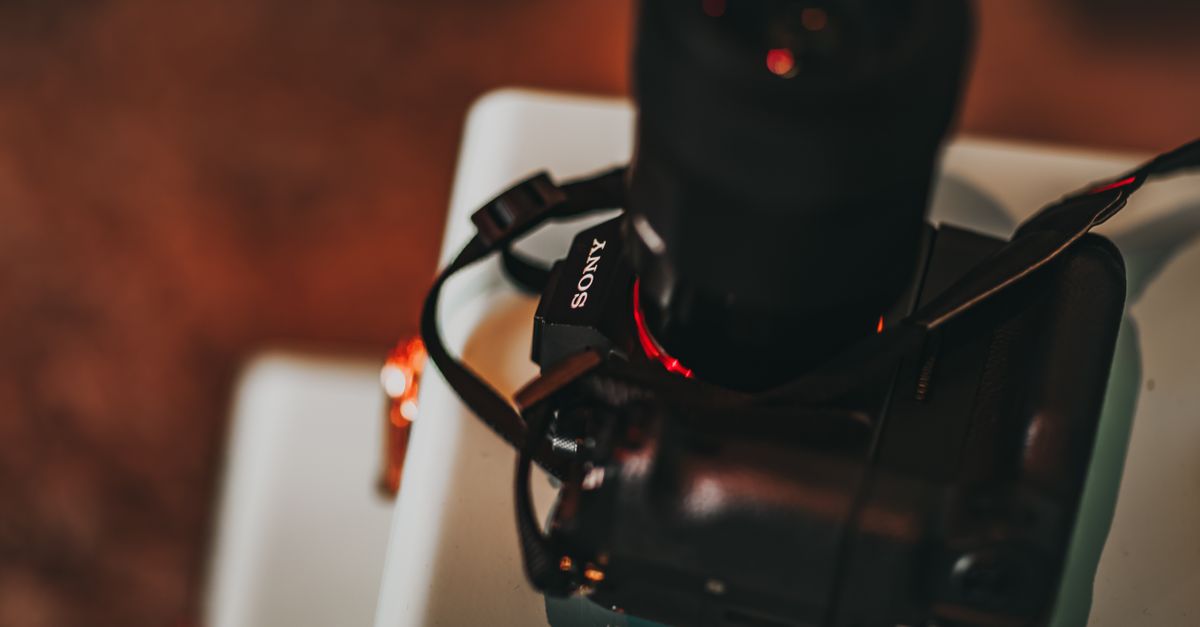
Sony has announced the RX10V, the fifth iteration of its all-in-one compact camera platform and successor to the widely adopted RX10 IV. This release reinforces Sony’s bet on the segment: a single, pocketable tool that eliminates the need for multiple optics while delivering image and video quality competitive with entry-level mirrorless alternatives.
Autofocus Engineered from the Ground Up
The most significant upgrade in the RX10V is a complete redesign of the autofocus architecture. Rather than iterating on the previous generation’s system, Sony’s engineers started fresh, resulting in faster subject acquisition, improved tracking, and enhanced low-light performance across the entire focal range.
For video creators—who depend on silent, reliable focus during rolling takes—this overhaul addresses a real pain point. The new autofocus delivers consistent precision whether locked on a moving subject or transitioning between focal planes. Real-world usage suggests the system is dramatically more responsive in mixed lighting and with demanding subjects. This is not marketing theater; it’s a core capability that shapes user satisfaction in the field.
25x Zoom: Optical Continuity with Refinement
The optical formula persists at 25x magnification, maintaining the practical range that made the RX10 line indispensable. Sony has refined the optics: improved multi-coated glass elements reduce flare, while optical stabilization gains precision. The constant f/2.8-f/4.5 aperture provides predictable exposure across the zoom range—a comfort for creative work.
This ratio defines the segment. Wide enough for environmental shots and tight framing, far enough for isolation without cropping-induced noise. The RX10V doesn’t promise revolution in optics; it delivers reliability and versatility without compromise.
4K Video: Incremental but Meaningful Progress
Video quality improvements are measured but genuine. Higher bitrate options, refined codecs, and improved high-ISO performance in video mode deliver more latitude for color grading and post-production. The camera remains limited to 4K/24p-30p at maximum quality, but the increased color depth and reduced noise floor justify attention from content creators.
Independent filmmakers, music producers, and educational content creators benefit most from this refinement. For those already satisfied with RX10 IV video output, the upgrade curve is gentler. For those currently working around its limitations, the RX10V represents tangible progress.
1-Inch Sensor: Evolution of a Proven Base
The 1-inch sensor gains internal refinements: improved high-ISO noise handling, better highlights preservation, and overall tonal response tuning. At 20 megapixels, resolution remains practical for web, mobile, and print up to moderate sizes. Sony isn’t chasing megapixel growth here—it’s optimizing what works.
Strategic Position in the Market
The RX10V occupies a distinct niche: creators who value compactness, optical quality, and operational simplicity above format proliferation. It sits between smartphone computational photography (which now rival optical quality in favorable light) and mirrorless entry-level kits (which demand lens investment and additional weight).
Travel photographers, run-and-gun videographers, and hybrid creators—those who shoot stills and motion on the same job—form the core audience. The lack of lens noise, the intuitive menu, the proven ergonomics, and the internal stabilization all matter more than raw megapixel count.
Conclusion
The RX10V is refinement, not reinvention. Sony has listened to professional and enthusiast users and addressed the friction points that existed in the RX10 IV: autofocus speed, video precision, low-light reliability. For existing RX10 owners, the upgrade case rests on autofocus and video improvements. For potential buyers, the RX10V remains one of the few single-tool solutions that doesn’t compromise on versatility or build quality. In an era of increasing specialization, that matters.