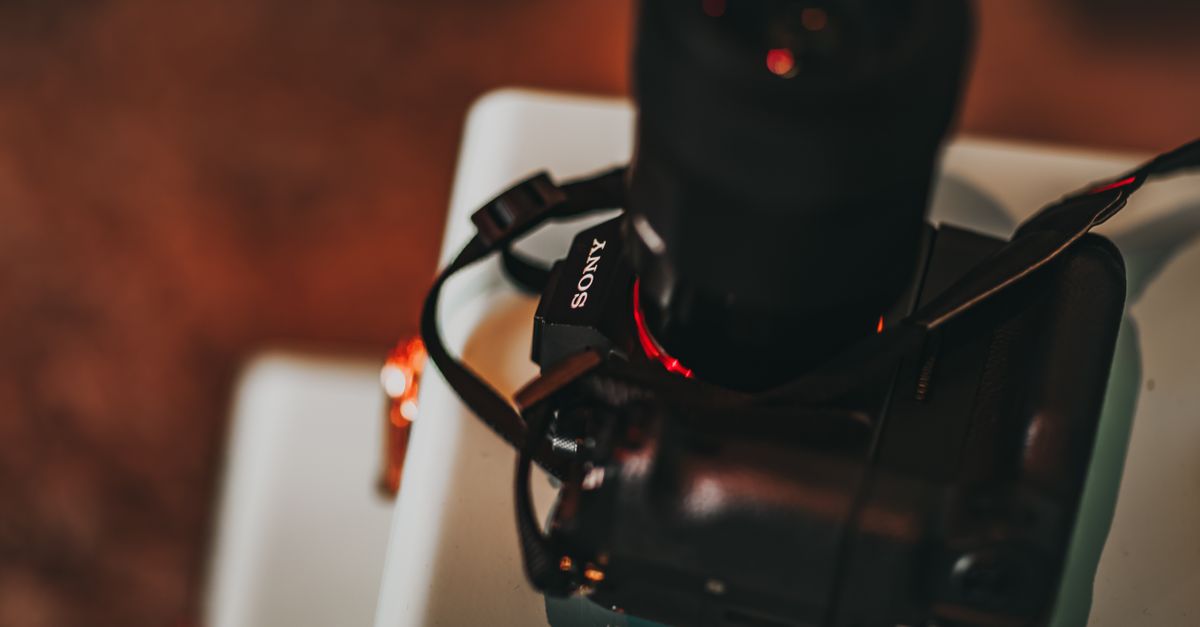
After years without an update to its superzoom compact line, Sony has announced the RX10 V. The successor to the RX10 IV arrives with two headline changes: a stacked sensor that significantly improves processing speed, and a completely redesigned body. The 25x zoom range that defined the series remains, joined by meaningful improvements to autofocus and video capabilities. The Verge, which published both the announcement coverage and a hands-on review, called it the best version of the camera to date.
What a stacked sensor changes
The adoption of a stacked sensor is the most consequential technical upgrade in the RX10 V. Stacked sensor architecture — already deployed in Sony’s high-end Alpha mirrorless bodies — layers the image sensor and processing circuitry vertically, enabling faster data readout. In practical terms, this translates to higher burst rates, reduced rolling shutter artifacts in video, and faster overall system responsiveness compared to the RX10 IV.
For the autofocus system, faster sensor readout means the processor receives data more quickly, which directly improves subject detection and tracking accuracy. Sony has also reworked the autofocus algorithms themselves, delivering more reliable focus acquisition across the full zoom range and in low-light conditions.
A necessary caveat: stacked sensor technology improves processing speed, not sensor size. The RX10 V retains a 1-inch sensor, which carries inherent trade-offs in dynamic range and high-ISO noise performance relative to the larger APS-C and full-frame sensors found in interchangeable-lens cameras. The stacked architecture narrows the speed gap, not the physics gap.
A new body, not just new internals
Sony did not simply drop updated electronics into the existing RX10 IV chassis. The RX10 V features a completely redesigned body, according to The Verge’s reporting. This suggests changes to ergonomics, control layout, and potentially weight or dimensions — all factors that matter for a camera built around all-day, all-terrain versatility.
The 25x optical zoom is retained, preserving the focal range that made the RX10 series a reference in its category: wide enough for environmental context, long enough to isolate distant subjects without relying on digital crop. Video capabilities have also been improved, with advances in image quality and autofocus performance during recording, though full technical specifications were not detailed in the initial coverage.
Why Sony brought back the RX10
The strategic timing of this revival is worth examining. The camera market has shifted significantly since the RX10 IV launched. Content creation — particularly video — has driven demand for versatile, self-contained tools that do not require a bag of lenses. Smartphones have made impressive gains in computational photography, but their optical zoom remains physically constrained. The superzoom compact occupies a space that neither a phone nor an entry-level mirrorless kit covers precisely.
By equipping the RX10 V with stacked sensor technology — the same architecture that powers its professional Alpha bodies — Sony signals that this is not a legacy product receiving a token refresh. It is a platform benefiting from the company’s most current sensor R&D, deployed at a different price point and form factor.
For existing RX10 IV owners, the upgrade calculus depends on use case. The stacked sensor and improved autofocus will matter most to those who shoot fast-moving subjects or rely heavily on video. For photographers whose needs are already met by the previous generation, the case is less immediate. The RX10 V modernizes a proven formula without fundamentally altering it — which, for a product line built on reliability and versatility, may be exactly the right approach.