Baden-Württemberg is Germany’s industrial engine — birthplace of Mercedes-Benz, home to BMW and Audi suppliers, a region whose manufacturing density has been synonymous with German economic identity for generations. That region’s auto industry is now relocating to Hungary.
According to French regional newspaper DNA, the automotive industry of Baden-Württemberg is executing a significant move toward Hungary — a shift that involves Mercedes, BMW, Audi, Volkswagen, and their supplier networks.
Why Hungary specifically
Hungary isn’t a random choice. Budapest offers a combination that Baden-Württemberg can no longer match: significantly lower labor costs, favorable industrial tax policies, and EU membership that preserves single market access. For an automaker looking to stay inside the EU while reducing costs, it’s the optimal trade-off.
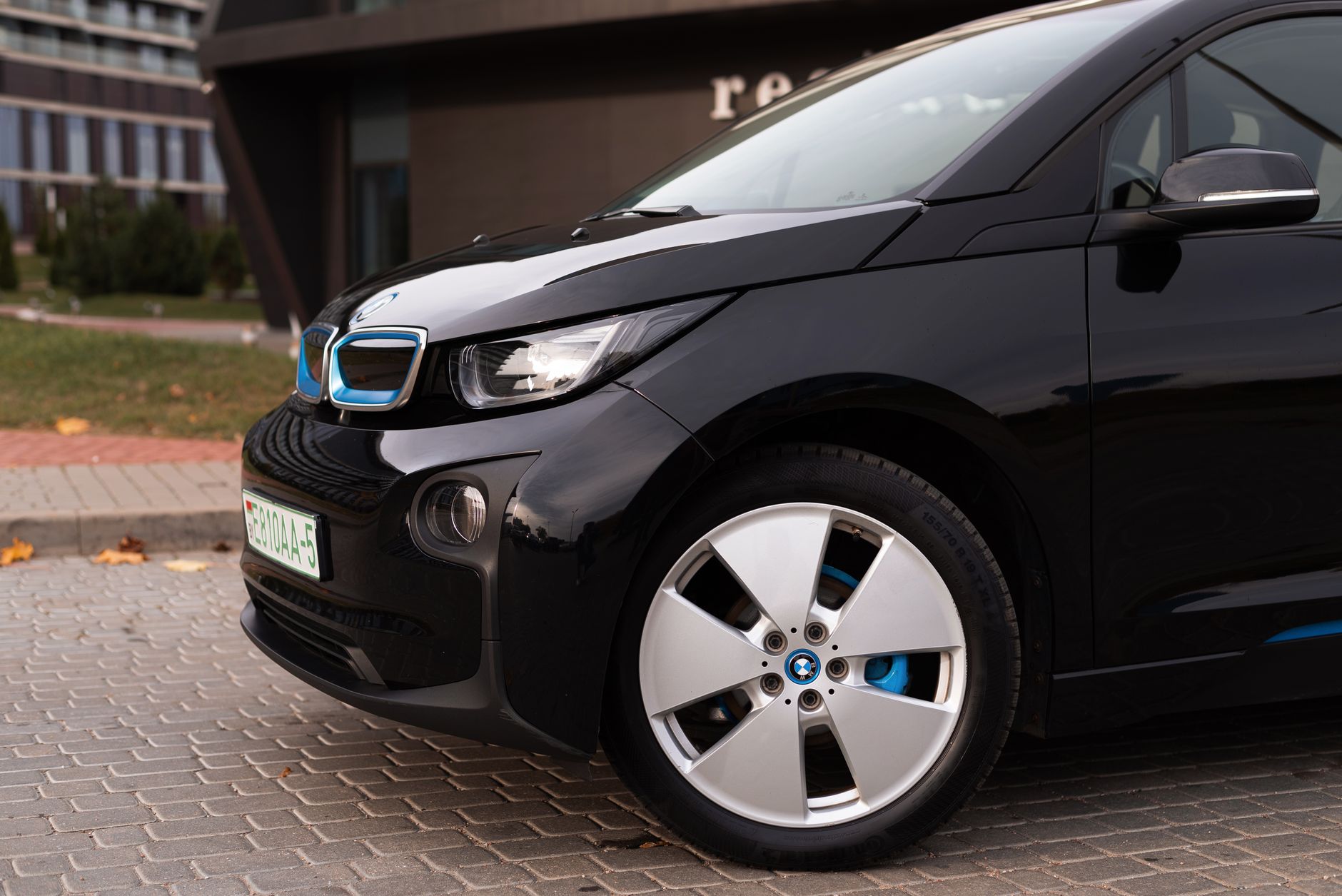
BMW already signaled this direction: its Debrecen plant, opened in 2024, was designed exclusively for electric vehicle production. What’s happening now is that the relocation logic is spreading deeper into the supply chain — component makers and tier-2 suppliers following their anchor customers east.
The signal beneath the movement
This isn’t just a cost story. It’s a structural competitiveness story about Germany. The country has been accumulating handicaps that industry has tolerated — but no longer. Energy costs that surged to among Europe’s highest after 2022, complex regulation, aging infrastructure, high labor costs. The EV transition amplifies these tensions: it partially resets the skill advantages that Germany’s workforce built around combustion engine technology.
What doesn’t relocate easily
High-end engineering, R&D, strategic functions — these tend to stay in origin countries. What moves is assembly and labor-intensive components. But the spillover effects on territories are real: one automotive job typically sustains several downstream jobs in services, maintenance and supply chains.
For Baden-Württemberg, the real question isn’t how to keep the existing factories. It’s how to position for the next industrial wave — whether that’s embedded software, fleet management platforms, or new mobility infrastructure.