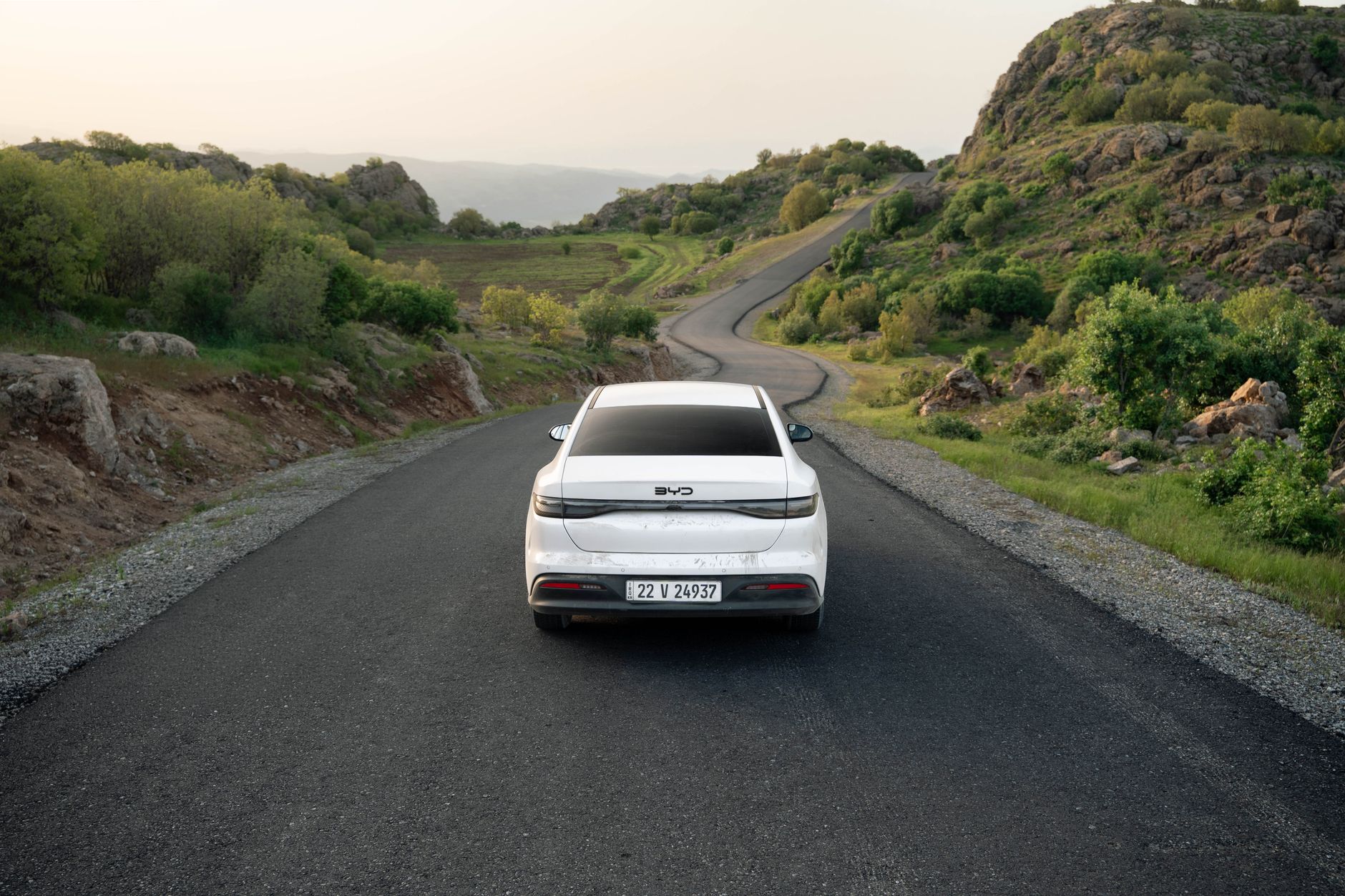
BYD delivered used vehicles to 1,265 customers who had ordered new cars. The model in question is the Sealion 7 — one of the vehicles BYD has been counting on to establish its credibility in European and global premium EV markets. According to 01net, customers received cars with prior mileage and signs of use, having paid full new-car prices and expected new-car deliveries.
This isn’t a minor quality control slip. It’s a systemic failure that hits at the exact moment BYD is most vulnerable to trust damage.
How this kind of failure happens
Incidents like this rarely start at the top as a deliberate decision. They emerge from operational pressure in a company growing faster than its processes can handle. BYD has gone from a dominant Chinese market player to a global automotive brand in a remarkably compressed timeframe — and that growth creates strain across the entire chain: inventory management, logistics, dealer operations, quality verification at delivery.
When those systems are under pressure, things fall through. Vehicles that were used as test drives, press cars, or dealer demos can get mixed into delivery pipelines if the controls aren’t rigorous. The outcome is exactly what happened here: 1,265 customers received something other than what they paid for.
The specific problem for a brand trying to go premium
BYD’s ambition in European and international markets isn’t to be the cheapest EV option. It’s to be taken seriously as a premium alternative to established players. That positioning depends entirely on the trust relationship between brand and buyer.
A new car isn’t just a product. It’s a category where ownership history is part of the purchase. Someone paying premium EV prices expects a vehicle that has never been driven by anyone else. Delivering a used car against a new-car contract breaks that relationship at its most fundamental point.
The Sealion 7 may be a technically excellent vehicle. None of that matters to a customer who discovers their “new” car was already driven.
What the crisis response needs to accomplish
The companies that survive trust crises like this do so by doing three things: acknowledging the problem clearly without minimizing it, compensating affected customers in a way that’s visibly meaningful, and publishing what internal changes were made to prevent recurrence.
The 1,265 affected customers are the immediate priority. But the real audience for BYD’s response is the much larger pool of potential buyers who are watching how the brand handles this — and deciding whether to trust it with their own purchase.