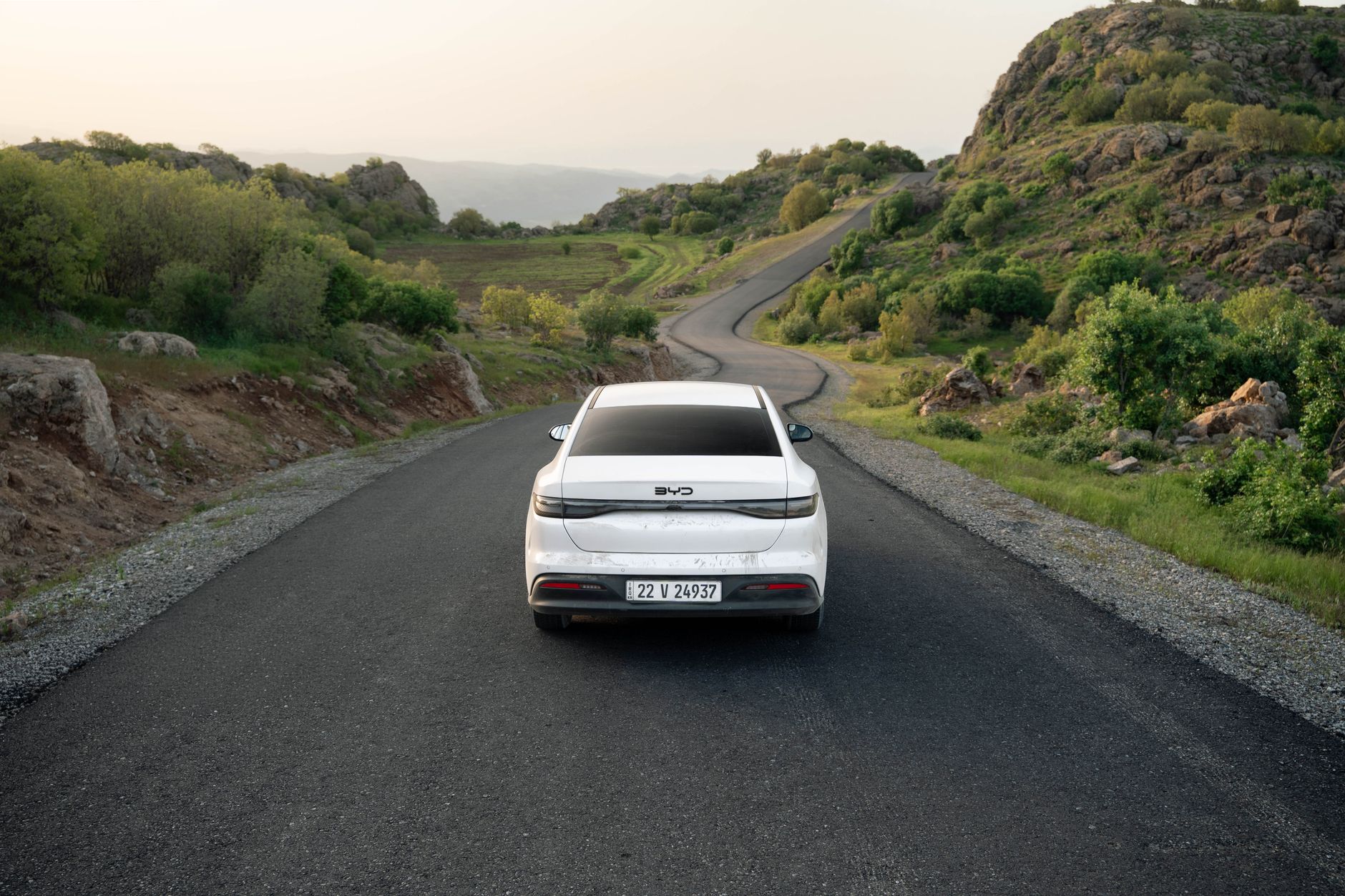
BYD built its reputation on affordable electric vehicles for the mass market. The Seagull, the Dolphin, the Han — practical, well-priced cars that have outsold almost everything in China and are expanding into markets worldwide. That reputation served BYD extremely well. It also created a ceiling: in the perception of many buyers in premium markets, BYD was affordable but not aspirational.
The new supercar is a direct attack on that ceiling.
The numbers
The 0–100 km/h time BYD is claiming puts this vehicle among the fastest production cars ever built, electric or otherwise. For context: the Tesla Model S Plaid does it in under 2 seconds. The Rimac Nevera, long considered the benchmark for electric hypercar acceleration, does it in 1.97 seconds. BYD’s announcement positions its new vehicle at the top of this bracket.
Extraordinary acceleration claims in the automotive industry require independent verification — there’s a gap between manufacturer claims and independently timed results. The exact figure will be confirmed when automotive journalists get access to production vehicles. But even if the final number is slightly softer than the announcement suggests, the performance category the vehicle is targeting is unmistakable.
Why BYD is doing this
The supercar play is not primarily a sales volume strategy. BYD will not sell many of these vehicles compared to the Atto 3 or the Sealion 7. The return on investment is brand equity, not units.
When a brand demonstrates that it can build the fastest car in the world, the perception halo extends to every vehicle in the range. Ferrari makes tractors and theme park rides. Those businesses are profitable partly because Ferrari has a racing heritage that justifies the brand extension.
BYD’s version of this logic: if we can build a supercar that beats Rimac, our premium and mid-range sedans deserve more consideration than buyers currently give them.
The market it’s targeting
The supercar announcement is calibrated for European and North American audiences, where BYD brand awareness exists but brand prestige is still being established. In China, BYD is already a dominant and respected brand. In Germany, France, and the UK, BYD is still fighting for market acceptance against entrenched incumbents and consumer skepticism about Chinese quality.
A record-setting supercar doesn’t directly address the practical objections a buyer might have about a BYD family crossover. But it changes the frame within which those objections are weighed.
The question is whether performance credibility transfers to the mass market range — and the honest answer is that it does, but partially and slowly. Brand perception changes take years. BYD is playing a long game here.