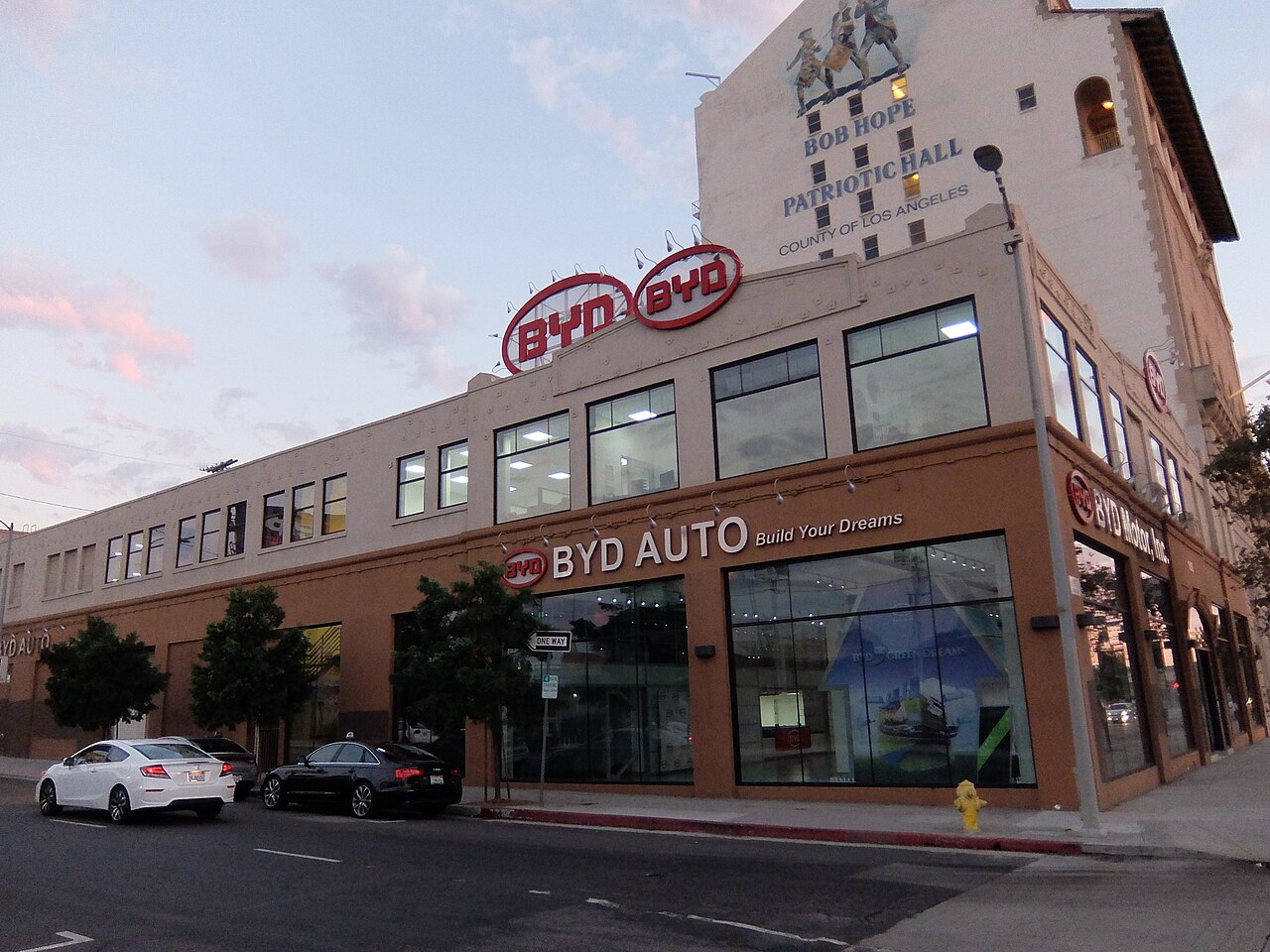
BYD has been the dominant narrative in Chinese electric vehicles for the past several years — the underdog that became a global force, challenging Toyota for the title of world’s top automaker. But while BYD has been focused on that global ambition, something changed at home.
According to 01net.com, Geely has overtaken BYD to become China’s number one automaker. It’s a competitive reversal that deserves more attention than it’s getting.
Who is Geely, really?
Western coverage tends to know Geely primarily through its acquisitions: Volvo Cars (purchased in 2010), Lotus, Polestar, London Electric Vehicle Company. The parent company — Zhejiang Geely Holding Group — is a massive, diversified automotive empire based in Hangzhou.
In China, Geely operates under several brands serving different market segments: Geely Auto for the mainstream, Zeekr for the premium EV market, Lynk & Co for the tech-forward younger buyer. This brand portfolio approach is one of the key reasons Geely can reclaim market leadership — they’re competing in multiple segments simultaneously.
What this means for BYD
BYD is not in trouble — let’s be clear about that. The company continues to grow exports, has significant operations in Europe, and is building manufacturing capacity in Hungary and Brazil. The global trajectory remains strong.
But losing the domestic leadership position is significant for a company that has made “number one” a central part of its brand identity. China is not just BYD’s home market — it’s where BYD has demonstrated that Chinese EVs can be world-class. Ceding that to Geely changes the internal competitive narrative.
Implications for Europe
Geely’s rise matters for European automotive stakeholders because the company is already present through Volvo, Polestar, and Lotus. Stronger performance in China means more resources available for international expansion — and potentially more aggressive pricing strategies for European models.
At a time when the EU is debating tariffs on Chinese EVs and European manufacturers are scrambling to accelerate their own electrification, the competitive dynamics inside China are not a distant concern. They’re a preview of what’s coming to a European showroom near you.