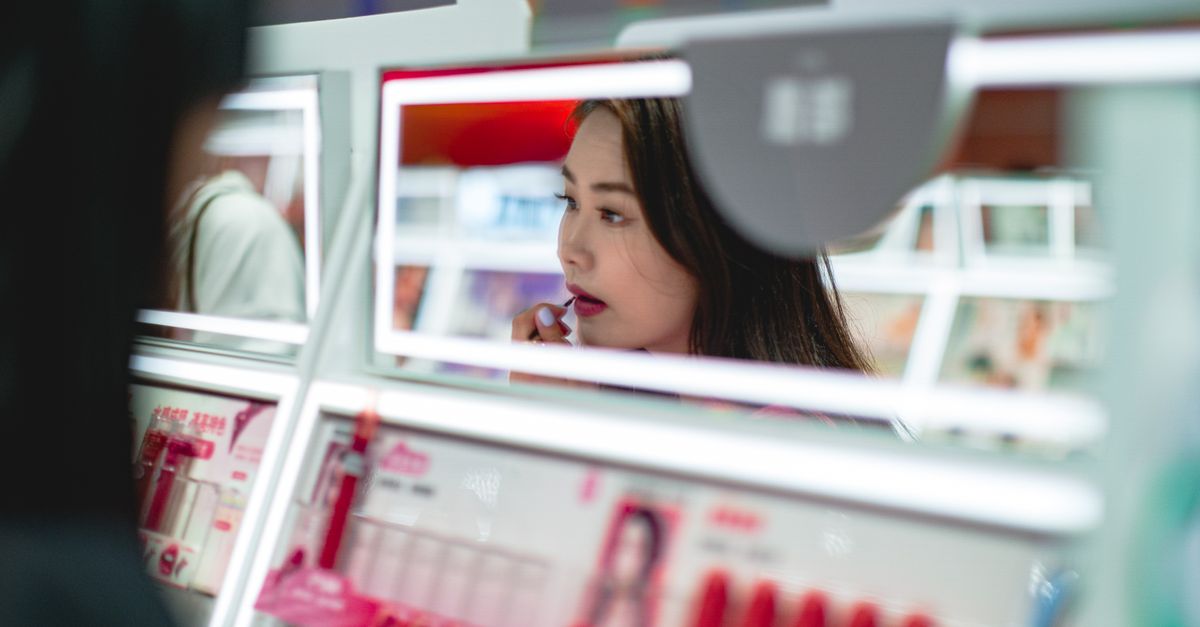
Apple’s AI approval in China means more than Siri getting smarter in Mandarin. One of the most commercially relevant near-term applications is augmented reality beauty — virtual makeup try-on, skincare analysis, personalized product recommendations — in the world’s most dynamic beauty market.
Why AR Beauty Matters in China Specifically
China is the world’s second-largest beauty market by total size and the fastest-growing among major economies. The digital-native behavior of Chinese beauty consumers — who research, try, and purchase across WeChat, Douyin, Xiaohongshu, and brand-owned apps — makes them more receptive to AR beauty experiences than consumers in most other markets.
Virtual try-on for lipstick, foundation shade matching, skin analysis via front camera — these applications require exactly the kind of on-device AI processing that Apple Intelligence enables. Before regulatory approval, these features either couldn’t run with full capability on Apple devices in China, or required workarounds that degraded the experience.
The Alibaba Connection for Beauty Commerce
Alibaba, one of Apple’s Chinese AI partners for this regulatory clearance, is also the operator of Tmall and Taobao — the dominant beauty commerce platforms in China. Major beauty brands (L’Oréal, Estée Lauder, domestic players like Proya and Florasis) generate significant revenue through these platforms.
The convergence of Apple Intelligence capabilities with Alibaba’s commerce infrastructure creates potential for seamless AR-to-purchase flows that don’t currently exist at scale. A consumer using AR makeup try-on on an iPhone could be one tap away from purchasing the product they’re virtually wearing through an Alibaba-powered store.
The Competitive Context
ByteDance (Douyin), Tencent (WeChat), and Alibaba all have their own AR beauty tools that operate well within their platforms. Apple’s advantage is the device-level integration — facial recognition, LiDAR on Pro models, and the neural engine — combined with the seamlessness of the native camera experience. The question is whether third-party beauty apps can fully leverage Apple Intelligence APIs, or whether the capability remains fragmented.
For beauty brands, Apple’s AI presence in China is primarily a distribution enabler — another channel through which personalized experiences can be delivered to high-value consumers.