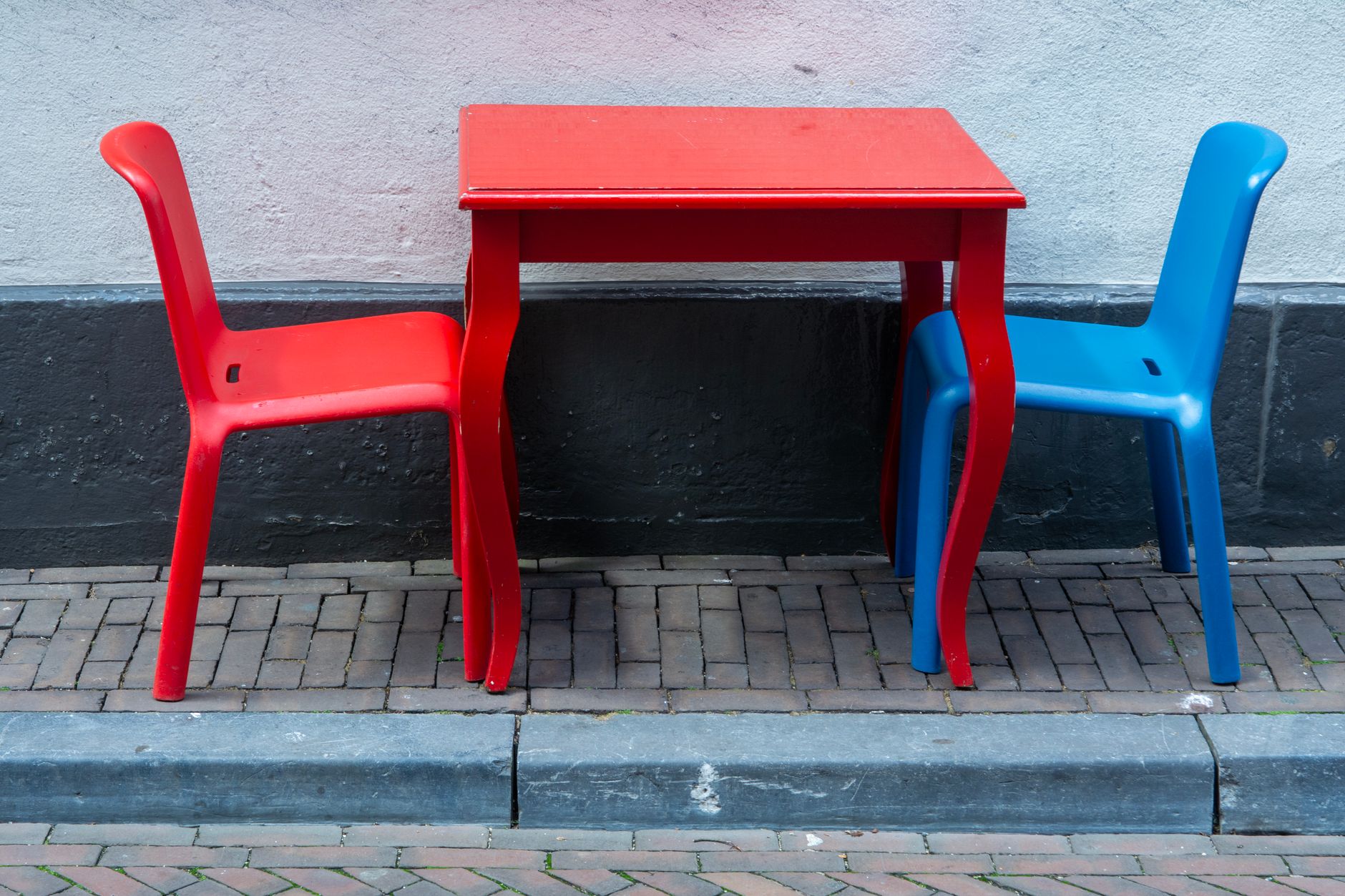
The Fritz Hansen Series 7 is probably the most photographed chair in the history of Scandinavian design. Verner Panton left his mark on it in the 1970s. A hundred years after his birth, both histories intersect again.
Panton and the Series 7: A Less-Known Connection
Verner Panton (1926–1998) is best known for the Panton Chair — the single-piece plastic chair from 1967, an uncontested icon of 20th-century design. But his relationship with Fritz Hansen runs deeper, through Arne Jacobsen. Panton completed his apprenticeship in Jacobsen’s office precisely when Jacobsen was developing the Ant chair (1952) and the Series 7 (1955). That time clearly influenced his formal vocabulary.
Between the 1970s and 1988, Panton collaborated with Fritz Hansen on colored editions of the Series 7 that have remained in the Danish-Swedish house’s archives. These colors have not been produced since their discontinuation.
What the Panton 100 Collection Offers
For the centenary, Fritz Hansen reintroduces four colors from that original palette: Yellow, Orange, Red, Brown. Saturated hues in the spirit of Panton’s chromatic optimism — a contrast to the white, black, and grey that dominate contemporary Series 7 production.
The edition is limited to 2026. No production figures have been communicated — this is a collector series, not a standard commercial launch.
The Series 7 as a Permanent Canvas
What’s interesting about Fritz Hansen’s approach is how the Series 7 is treated as a canvas on which designers and artists from different generations can express themselves. Arne Jacobsen designed it, Panton colored it in the 70s, other designers have produced their own editions since.
The chair itself remains unchanged — its form is permanent. What changes is the layer of expression each era deposits on it. The Panton centenary is an occasion to recall that genealogy.