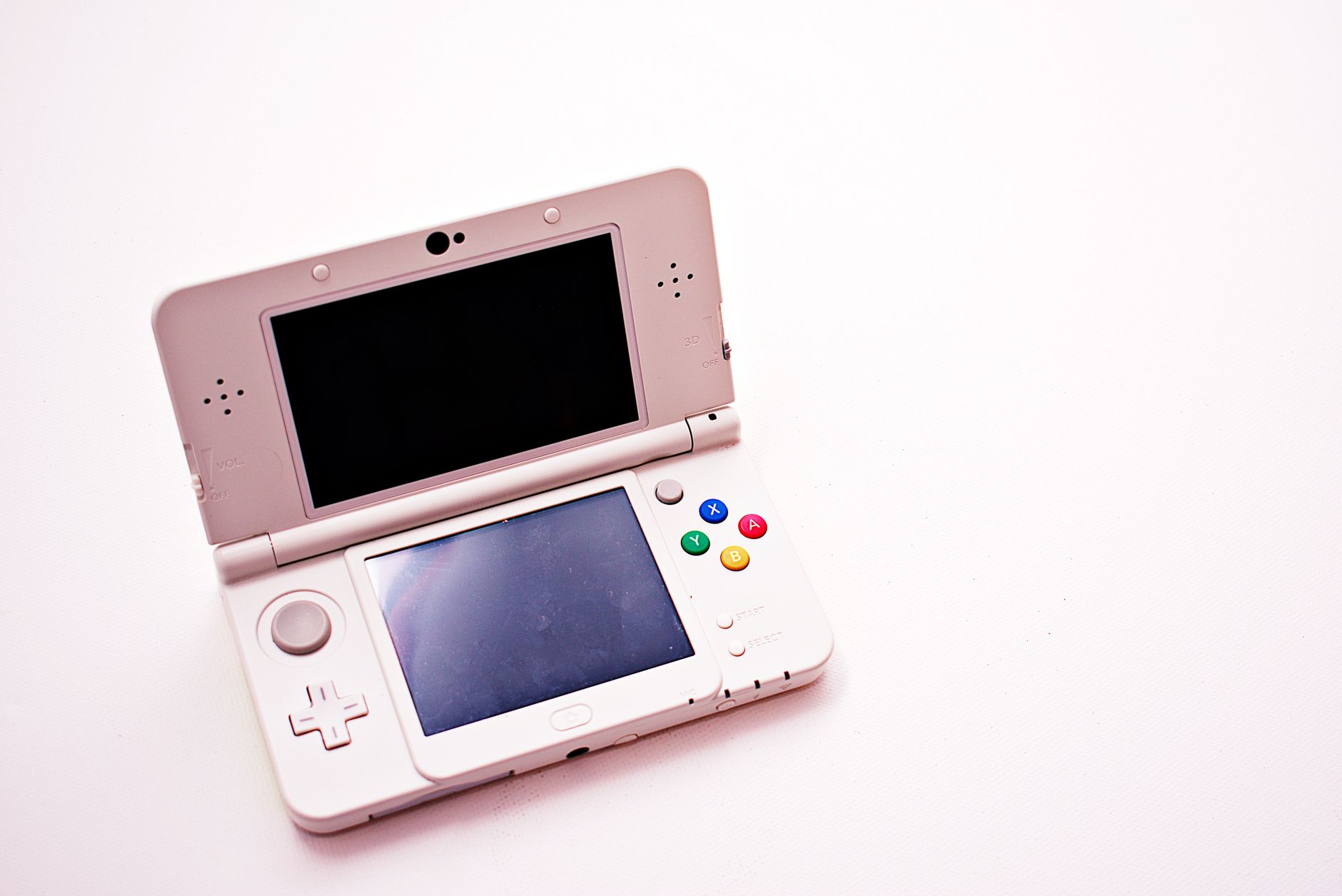
Nintendo Life’s framing — Nintendo gaining a reputation boost “as Sony and Microsoft lay waste to the industry” — is deliberately pointed. But it captures something real. The trajectory gap between Nintendo and its two main competitors’ gaming divisions is widening, and it reflects model differences that have been present for years.
What Sony and Microsoft have been doing
PlayStation Studios has closed studios, reduced teams, and cancelled projects. Microsoft Gaming, which absorbed Activision Blizzard in one of the largest gaming acquisitions in history, has simultaneously cut significant headcount across its expanded organization.
Both moves are downstream from the same decision: massive investment in gaming infrastructure during and after the pandemic, when usage spiked. When growth normalized, the expanded structures needed correction. That correction has been visible and painful.
Nintendo’s different operating model
Nintendo hasn’t executed mass layoffs. The Japanese company’s employment stability is a longstanding feature of its corporate culture — steady organic growth and profitability over aggressive expansion.
The structural difference matters. Nintendo owns its franchises — Mario, Zelda, Pokémon, Splatoon — and controls its hardware (Switch 2). It doesn’t pursue acquisition-driven growth in AAA content. This vertical model generates solid margins and deep fan loyalty, but grows more slowly. The ceiling is lower; the floor is higher.
Sony and Microsoft carry higher exposure to service-based revenue (Game Pass, PlayStation Plus) and large-scale production studios. That model can generate substantial revenue but requires ongoing headcount and capital investment that creates vulnerability during market corrections.
The value of a reputation advantage
A reputation boost for Nintendo during industry turbulence has concrete consequences: reinforced user loyalty, competitive talent recruitment from people seeking stability, and stronger trust from independent developers weighing platform choices.
None of that shows up directly on a balance sheet. But it compounds over time. Nintendo isn’t making a calculated reputational play — it’s simply consistent with its own model. The contrast with what’s happening around it does the work.