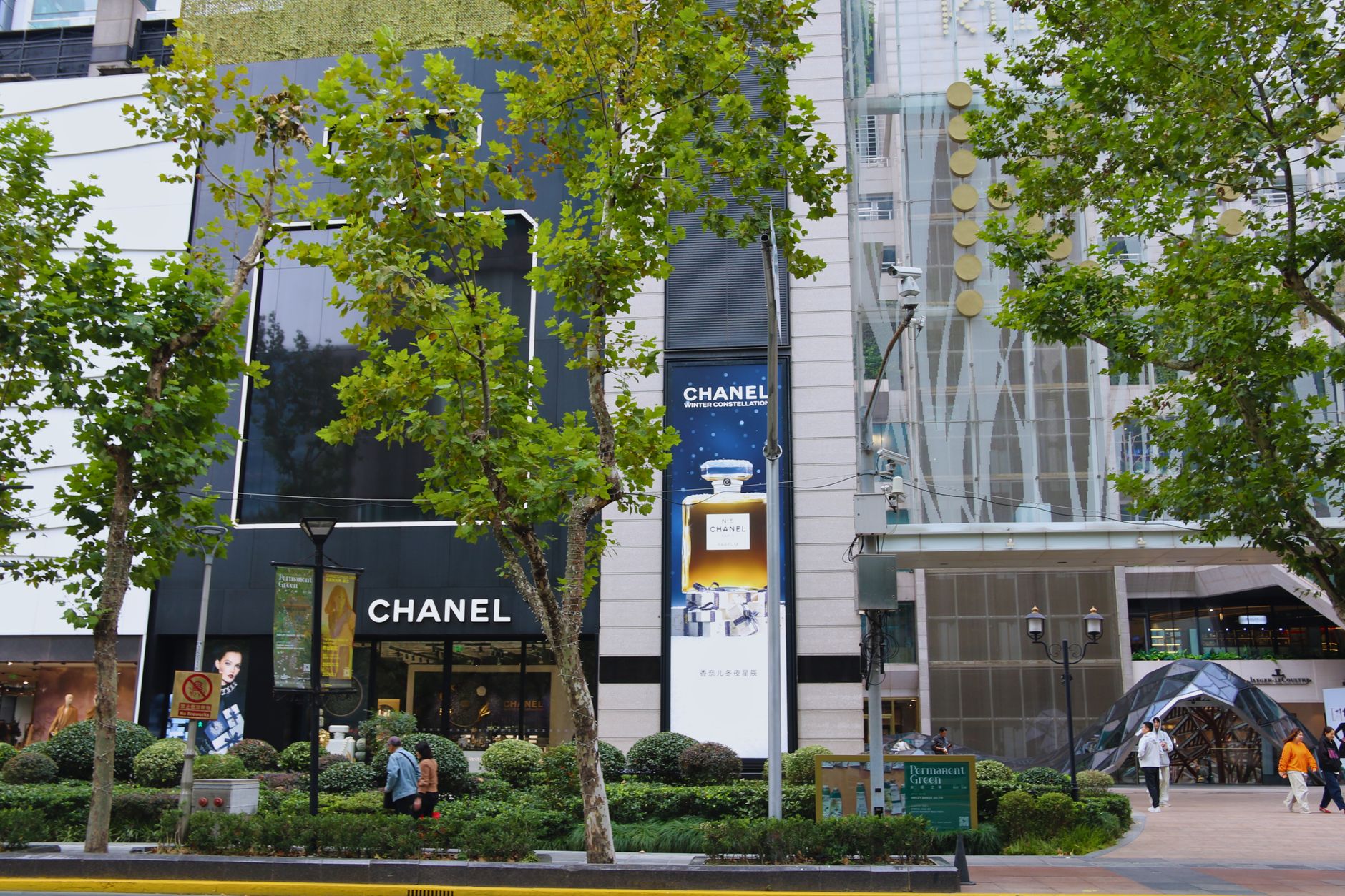
Most court cases involving luxury involve counterfeits. This one is different: two employees at Chanel’s Hong Kong warehouse are accused of taking 724 products — 601 handbags and 123 wallets — before they could be destroyed. What the trial reveals goes beyond the theft itself.
The Alleged Facts
Ng Yiu-lun and Cheung Ka-wai, former employees of a logistics contractor working for Chanel in Hong Kong, face charges of conspiracy to steal goods belonging to the house. The alleged acts occurred on February 1 and 2, captured on CCTV. An assistant warehouse manager reportedly intercepted the operation. The 724 items were, according to the prosecution, on their way to destruction — not to resale or any official outlet.
10,000 to 20,000 Chanel Products Destroyed Every Six Months in Hong Kong
That’s the figure that caught attention when it emerged during trial proceedings. According to information disclosed in court, Chanel destroys between 10,000 and 20,000 products in Hong Kong alone every six months. This practice — common across luxury under the broad label of “unsold goods destruction” — is designed to protect brand integrity and prevent merchandise from entering the gray market or resale channels.
The rationale is familiar: a Chanel bag discounted through an outlet or unauthorized reseller erodes brand equity far more than leaving it unsold. Destruction is framed as value control, not waste.
What This Trial Changes in the Public Conversation
The problem is that those numbers — tens of thousands of products shredded twice a year — usually stay quiet. Chanel isn’t alone in the practice; Burberry made headlines in 2018 when its annual destruction figures were disclosed, leading to a UK legislative ban in 2022.
But Hong Kong has no equivalent legal constraint. And this trial brings into daylight a system that luxury houses prefer to manage out of public view. The questions — how many? what exactly? what alternatives to destruction? — are back on the table.
The Paradox of Organized Scarcity
What makes the situation strategically sensitive for Chanel is that destruction is precisely what sustains pricing. A €10,000 Classic Flap isn’t expensive because it’s inherently rare — it’s expensive because Chanel controls supply tightly, including by eliminating surplus units rather than liquidating them.
That’s a coherent model, but a fragile one once exposed: it’s difficult to speak of sustainability, craft heritage, and timeless value while destroying thousands of perfectly usable products every semester. This trial won’t change Chanel’s strategy overnight. But it’s a reminder that opaque systems have a shelf life equal to their opacity.