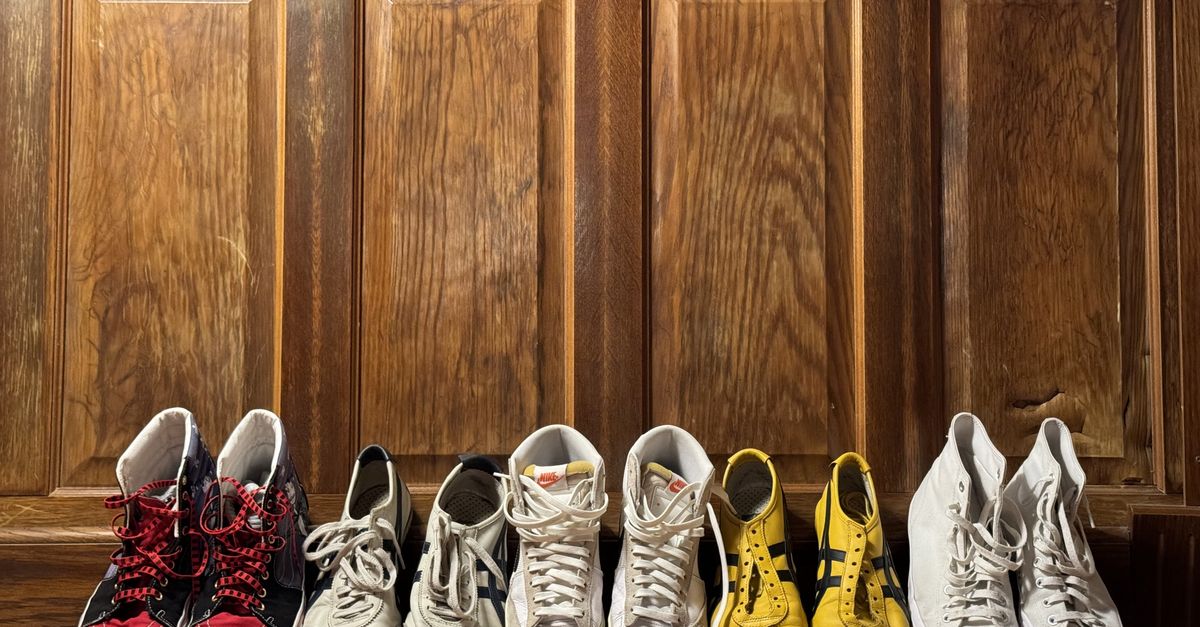
TikTok has a dupe problem — or a dupe opportunity, depending on your perspective. Hundreds of millions of views go to videos comparing luxury handbags, premium sneakers, and branded athleisure with their cheap imitation counterparts. The verdict is often: “the dupe is fine, honestly.”
This is uncomfortable for premium brands to hear. But it’s also a signal worth understanding rather than dismissing.
The paradox: dupes prove demand
Here’s what the dupe economy tells you first: the original is desirable. Nobody makes knockoffs of products people don’t want. The fact that there’s an active market for Samba-adjacent sneakers at $30, or Loewe-inspired bags at $50, means the originals have achieved genuine cultural status.
That’s the counterintuitive good news for premium brands. The dupe confirms the desirability. The question is what to do with that information.
Where dupes actually hurt
The damage isn’t at the top of the market. True luxury — Hermès Birkins, limited-edition sneaker collaborations with legitimate heat, artisan-crafted goods — doesn’t really compete with dupes because the experience of ownership is inseparable from the product itself. No one is fooled, and the point isn’t to be fooled.
The real impact is in the accessible premium segment: the $150-300 sneaker, the $400 bag, the branded athleisure item. These products promise a brand association that dupes can approximate — at least superficially, at least for a while. This is where consumer choice is genuinely redirected.
What smart brands are doing
The most effective response to the dupe economy from premium brands is moving in two directions simultaneously: up and inward.
Moving up means investing in qualities that genuinely can’t be duplicated — better materials, craftsmanship, construction, durability. A $250 shoe made with better leather and a more durable construction isn’t competing with a $30 copy on any dimension except the silhouette. For consumers who care about quality over aesthetics alone, the original is still the obvious choice.
Moving inward means building community and story around the brand that the dupe can’t carry. The person who buys an adidas Originals piece because they understand the brand’s history and cultural partnerships is buying something the dupe doesn’t provide: membership in a cultural conversation.
The ethical dimension that’s rarely discussed
It’s worth saying plainly: dupes exist on a spectrum. At one end is an affordable item that’s inspired by a premium design without copying logos or proprietary elements — arguably legitimate competitive imitation. At the other end is outright counterfeiting, which involves legal brand marks and deceives buyers about what they’re purchasing.
Consumers conflate these categories, and that matters. Buying a product designed to deceive isn’t just brand-neutral — it supports counterfeit supply chains with their own ethical complications.
Premium brands have legitimate grounds to distinguish between the two. The ones that handle this conversation directly — without pretending that inspiration is the same as counterfeiting — tend to come across better in the long run.