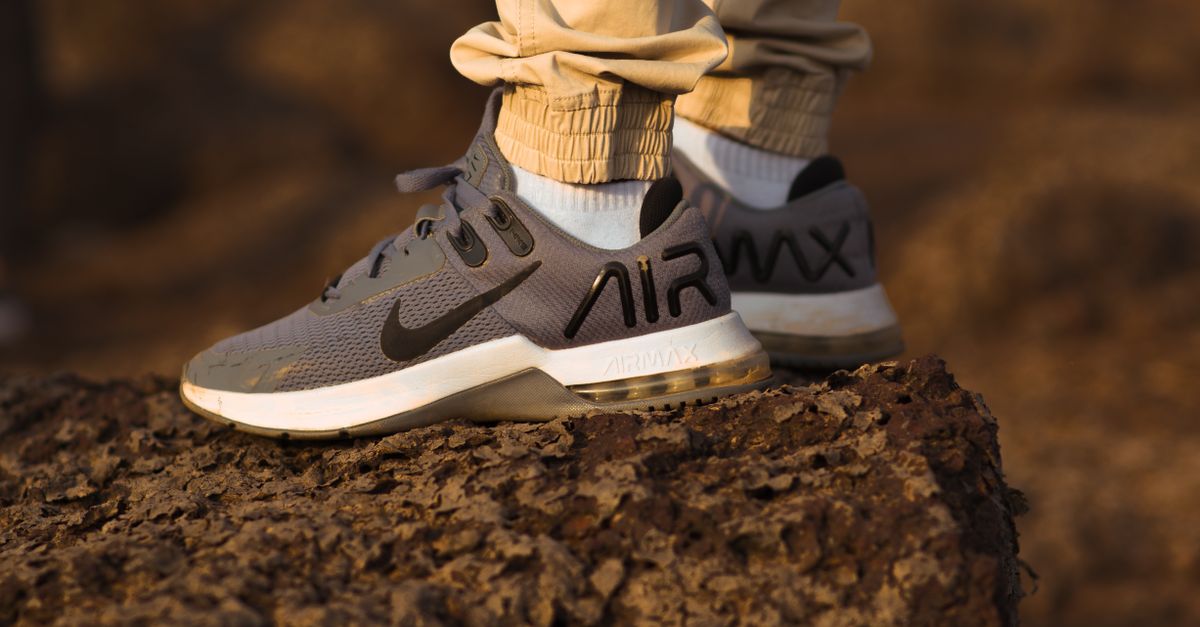
7-Eleven is suing Nike. The basis: a Nike Air Max 95 colorway that the convenience store chain argues reproduces its distinctive red, green, and orange brand colors closely enough to constitute trademark infringement.
This is a case about trade dress law, sneaker culture’s visual language, and a boundary the footwear industry tests regularly — often without knowing exactly where it is.
What Trade Dress Actually Protects
Trade dress law protects the visual appearance of a product or brand when that appearance has become distinctive enough that consumers associate it with a specific source. The test is whether the trade dress has acquired “secondary meaning” — whether consumers, seeing it, think of that company.
7-Eleven’s argument is that its red-green-orange color combination, applied to its storefronts and branding across decades of ubiquitous presence, has acquired exactly that kind of secondary meaning. It’s not claiming ownership of individual colors — that’s not how trademark law works — but of the specific combination as a source identifier.
Nike’s reported colorway, per the lawsuit as analyzed by JD Supra and Mondaq, is alleged to reproduce that combination closely enough to create consumer confusion.
Sneaker Culture’s Reference Problem
Sneaker culture runs on visual references. Colorways pay homage to sports teams, cities, decades, foods, cultural moments, and — occasionally — other brands. This practice creates commercial value: a colorway with a clear cultural reference generates conversation, which generates demand, which moves product.
The line between visual homage and trademark infringement isn’t always clear. A colorway that evokes a color palette without reproducing a specific trademark is typically fine. A colorway that so closely mirrors a brand’s distinctive visual identity that someone could mistake the shoe for a brand collaboration — even if no collaboration exists — enters different territory.
Whether this Air Max 95 colorway crosses that line is what the lawsuit will determine (or what a settlement will resolve before it gets that far).
The Footwear Industry’s Color History
Trade dress battles aren’t new to footwear. Christian Louboutin’s red sole has been litigated and ultimately protected. Vans has defended its checkerboard pattern. New Balance has fought over its distinctive “N.” Jordan Brand regularly navigates intellectual property questions around its visual identity.
Nike has been on both sides of these disputes — as plaintiff and defendant. The company navigates an enormous portfolio of colorways annually and presumably has trademark review processes. Whether those processes flagged this particular colorway and cleared it, or missed it, is part of what will likely emerge if this litigation proceeds.
What This Means for Sneaker Brands
The practical question for brands in this space: when does a visual reference become legally problematic? The answer is context-dependent — how distinctive is the referenced brand’s visual identity, how closely does the new colorway mirror it, and can confusion plausibly exist.
7-Eleven’s palette is particularly high-recognition in the US market where this lawsuit originated. That’s the strongest part of their argument.
For Nike, the resolution probably doesn’t change much operationally. A settlement, a colorway retirement, or a licensing arrangement — any of these outcomes is manageable. The more interesting question is whether this case influences how sneaker brands approach reference colorways going forward. The answer to that will depend on how the case resolves and how much industry attention it attracts.