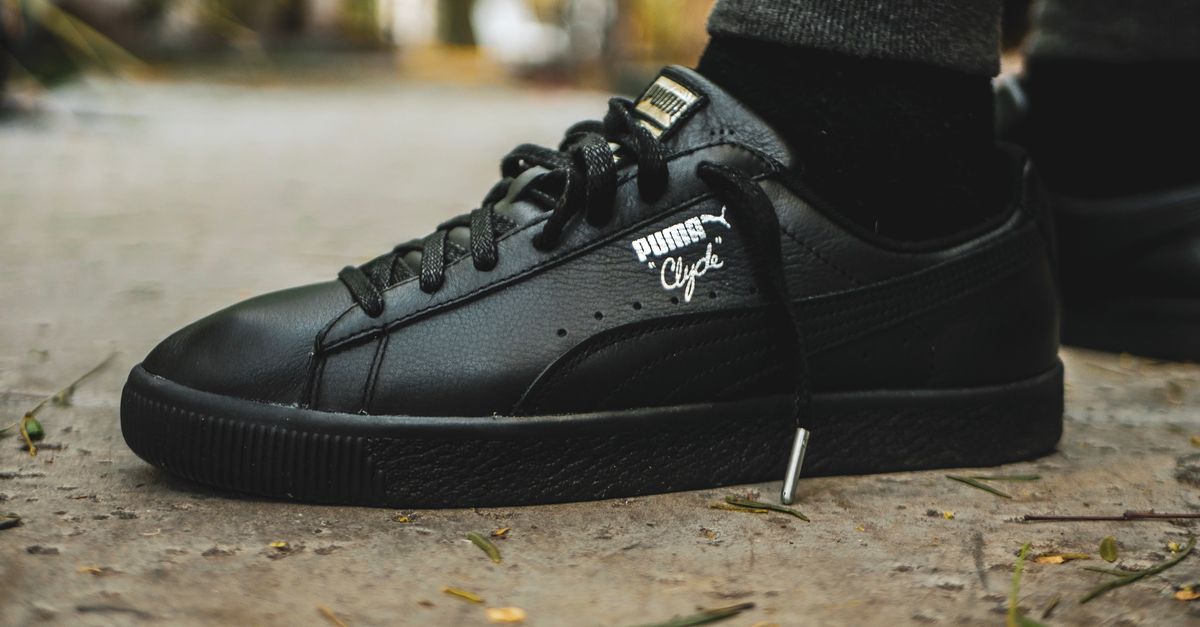
When Puma went looking for someone to lead its core business unit, it went to Nike. That detail alone tells you a lot about where Puma thinks it needs to improve.
Marcia Dos Santos, a Nike veteran, has been appointed Vice President of Puma’s Core Business Unit, according to WWD and SGB Media. She’ll be responsible for the product categories that define what Puma fundamentally is — performance footwear, sport basics, the volume-driving categories where brand fundamentals matter most.
Structure first, then talent
The thing that makes this hire more interesting than the typical executive announcement is what happened before it. According to WWD, the hiring of Dos Santos comes after Puma created dedicated teams for its sportstyle and core businesses earlier this year.
That sequence matters. Puma didn’t find Dos Santos and then figure out where to put her. The company redesigned its organizational structure — separating sportstyle from core business into distinct units with distinct mandates — and then recruited specifically for the person to run one of those newly defined functions.
That’s a disciplined approach to organizational change. You define the job before you find the person, not the other way around.
The sportstyle vs. core split
What does separating sportstyle from core actually mean for a brand like Puma?
Sportstyle is where collaborations live — the cultural hype, the limited editions, the brand moments that get headlines. Core is where the business fundamentals are: the running shoes, training gear, and heritage categories that drive consistent revenue across mass retail and athletic specialty.
These two functions have different rhythms, different buyers, different marketing logics, and they benefit from different leadership profiles. Keeping them structurally distinct means neither cannibalizes the other — which has historically been a challenge for brands trying to be both cool and functional simultaneously.
What Dos Santos brings from Nike
Nike operates at a scale and organizational sophistication that few brands can match. Someone who has run elements of the core business at Nike carries knowledge of systems, processes, and retail relationships that took Nike decades to build.
For Puma, the question is whether Dos Santos imports those learnings in a way that fits Puma’s scale and culture — or whether what works inside a €50 billion machine requires significant translation before it works inside a smaller, faster-moving brand.
Both outcomes are possible. The appointment is the right instinct. The execution will be what matters.