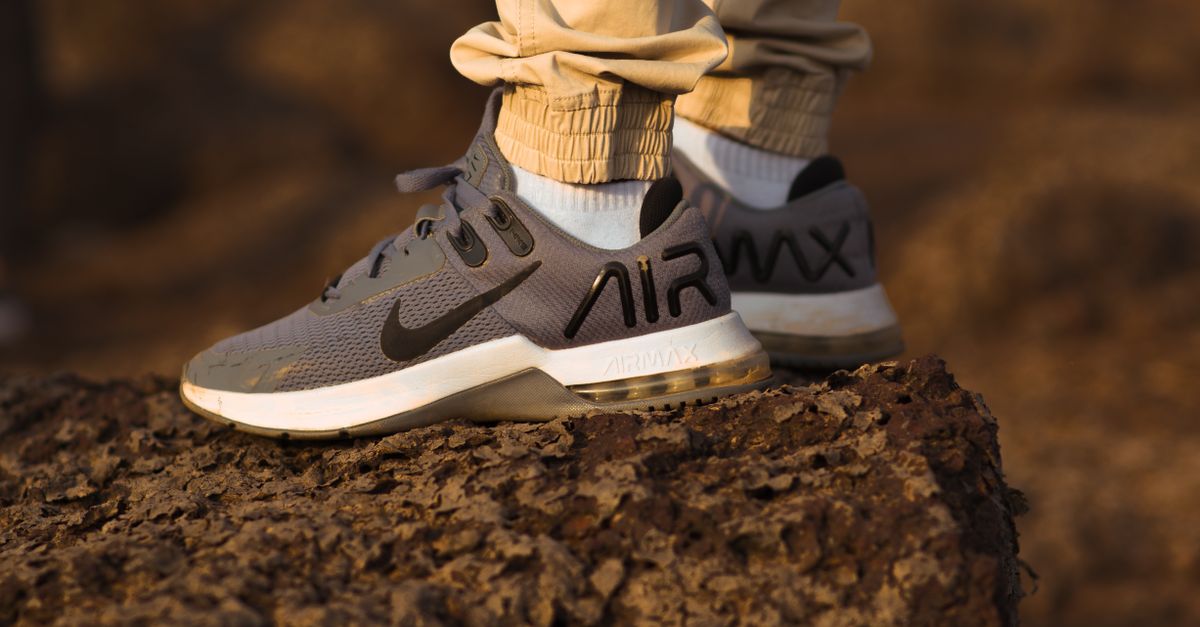
The sports sponsorship model was invented in an era when advertising was a one-way broadcast medium. A brand bought an athlete’s visibility on billboards, TV, and magazines. The relationship was financial and symbolic.
That model still exists. But alongside it, something structurally different has developed.
The athlete as content producer
The paradigm shift arrived gradually and accelerated with TikTok. An athlete with 5 million Instagram followers produces exposure today that neither a TV campaign nor a stadium billboard can match in terms of targeting and perceived authenticity.
Caitlin Clark, before playing her first WNBA game, had built an audience that transformed the value of associated deals. Her Nike signature, Gatorade and Wilson agreements — all of it scaled to a magnitude that would have been impossible in the previous media economy.
It’s not only about follower counts. It’s about engagement and trust. A fan who has followed an athlete since high school experiences a sneaker recommendation as a friend’s advice, not an advertisement.
How brands are adapting
Nike and Adidas have had to adapt their contract structures. The classic deal — image rights, mandatory competition wear, organized campaigns — now incorporates clauses on organic content, posting obligations, and rights over created content.
This adaptation isn’t always elegant. There’s an inherent tension between the authenticity that drives an athlete’s social media value and the marketing planning that characterizes major brands. An overly branded Instagram post sounds hollow. A too-unscripted post can go in directions the brand didn’t anticipate.
The best partnerships find the balance: the brand keeps coherence, the athlete keeps their voice. Easier said than done.
Challenger brands took an early lead
Challenger brands — On Running, Hoka, Salomon in its lifestyle segments — have often signed partnerships with athletes before they were famous, at reasonable price points. When the athlete breaks through, the brand benefits from the momentum without having paid the premium.
This strategy requires the ability to identify emerging talent before they’re expensive — which demands scouting resources and uncertainty tolerance that major brands often struggle to maintain.
The World Cup as case study
The football World Cup is one of the last events that still aggregates massive simultaneous audiences. For Nike and Adidas — competing to kit the majority of national teams — it’s a large-scale sponsorship strategy test.
The challenge is no longer simply equipping teams. It’s creating content around each sponsored player, turning every match into a brand moment, and activating those players’ social accounts in real time during games.
That level of coordination is not automatic. And the return on investment remains difficult to measure with precision.