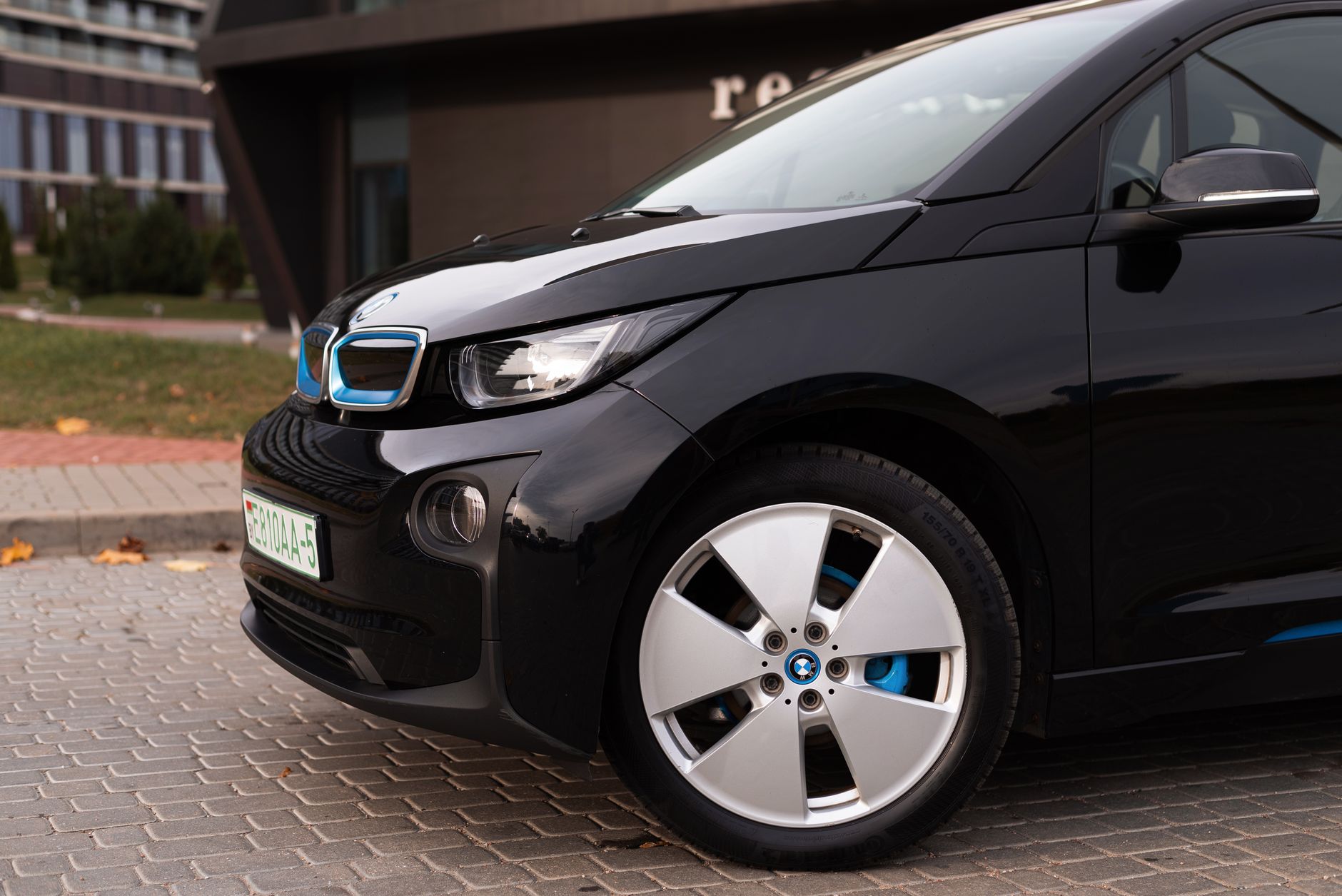
Here’s what makes this pilot interesting: it isn’t a press release. It’s vehicles running on roads, fueled by synthetic gasoline produced from renewable sources, tested in real-world traffic conditions in Spain. BMW, Toyota, Bosch, and Repsol aren’t announcing an intention — they’re reporting an ongoing test.
What Synthetic Fuel Actually Is
Synthetic fuel — sometimes called e-fuel or eFuel — is produced through a chemical process that combines green hydrogen (hydrogen produced via electrolysis powered by renewable electricity) with carbon dioxide captured from the atmosphere or industrial sources. The result is a liquid fuel chemically similar to conventional gasoline that can run in existing combustion engines with no modifications.
The carbon balance: the CO2 released when burning synthetic fuel is roughly equal to the CO2 captured during its production, making it theoretically carbon-neutral over its lifecycle. The “theoretically” caveat is real — the actual carbon accounting depends heavily on how green the electricity used for hydrogen production truly is.
The Coalition Logic
BMW and Toyota have been the most vocal major automakers defending the future of combustion technology alongside electrification. They’ve argued that the path to carbon neutrality doesn’t require eliminating combustion engines if the fuel powering them becomes carbon-neutral.
Bosch brings the engineering expertise on the engine and fuel system side. Repsol, as an energy company with established distribution infrastructure in Spain, contributes the supply chain and fueling expertise. This is a coalition designed to demonstrate that the entire supply chain — production, distribution, vehicle operation — can function at scale.
What the Test Won’t Prove
The pilot will demonstrate feasibility — that synthetic fuel works in modern vehicles under real conditions. What it won’t resolve: the cost question (synthetic fuel production remains significantly more expensive than conventional fuel), the energy efficiency question (the conversion losses from electricity to hydrogen to fuel make it fundamentally less efficient than direct electrification), and the scale question (current production capacity is a fraction of what would be needed for meaningful adoption).
The test is evidence. The commercial argument for synthetic fuel still requires significant cost reduction and scale-up to be genuinely competitive with battery electric vehicles for personal transportation.